

Choosing the correct glass railing thickness and material is one of the most critical engineering decisions for your project. Residential frameless systems typically require 12mm (1/2 inch) monolithic tempered glass hoặc 6+6mm (approx. 1/2 inch total) laminated glass (total 12.52mm). However, when specifying materials for global markets—from coastal Australia to high-rise terraces in the Middle East—the choice often shifts toward laminated glass for safety compliance or Low-Iron glass for premium aesthetics. This guide breaks down the three main types, their thicknesses, and their real-world applications.
What Is the Standard Glass Railing Thickness?
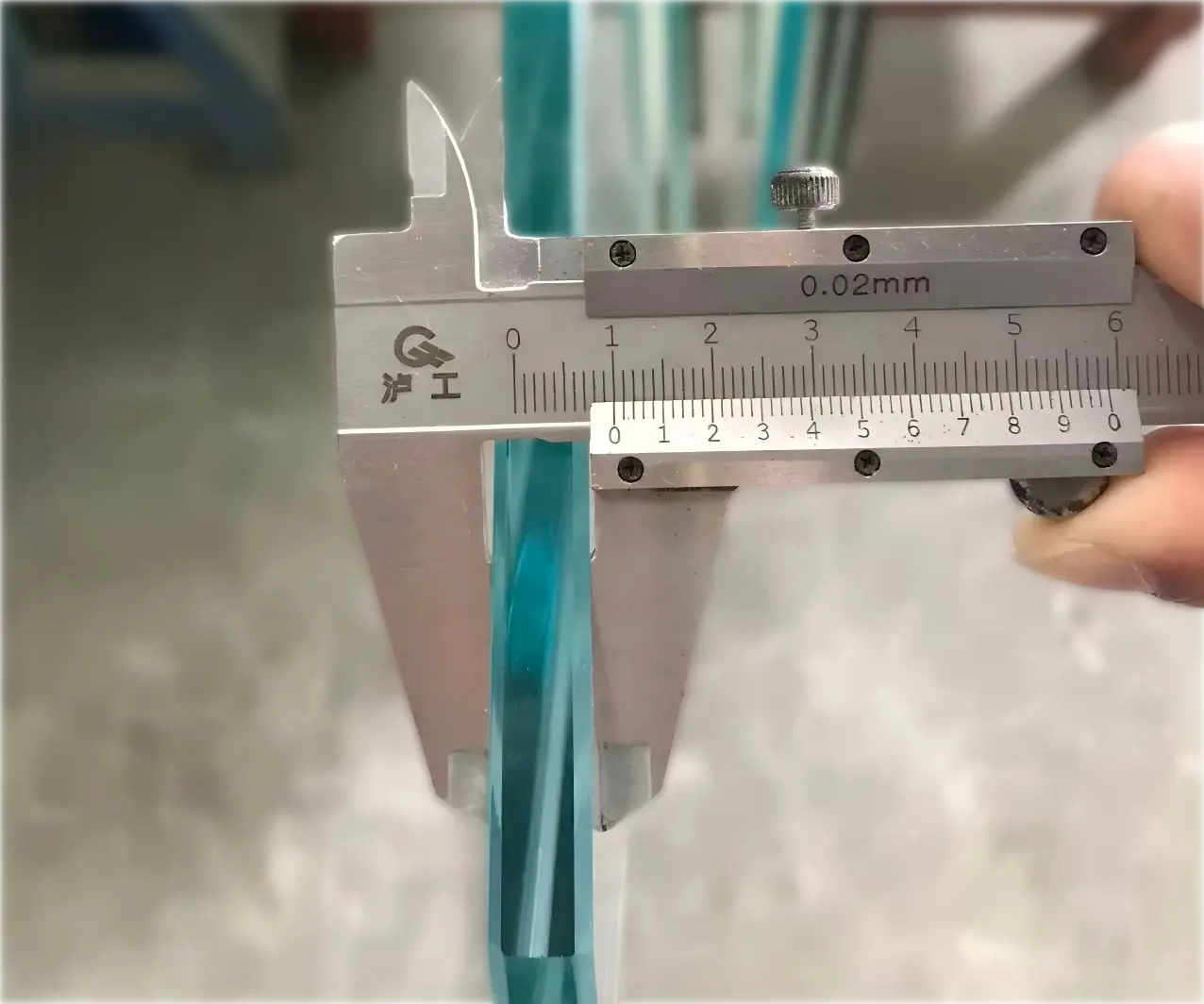
While specific requirements vary by local codes, the global baseline for frameless glass railing installation (often using an aluminum base shoe glass railing system) is generally 12mm (1/2 inch) for monolithic tempered glass, or 6+6mm (approx. 1/2 inch total) for laminated glass. Hơn nữa, Low-Iron glass is available in both configurations. Tuy nhiên, these are considered minimum baselines; depending on the actual project requirements (such as higher wind loads, taller panels, or specific architectural designs), you can increase the glass thickness accordingly (e.g., upgrading to 15mm (approx. 5/8 inch) or 8+8mm laminated glass) for enhanced structural safety.
Quick Reference Guide
| Material Type | Common Thickness | Key Advantage | Tốt nhất cho |
|---|---|---|---|
| Tempered (Monolithic) | 10mm (3/8"), 12mm (1/2") |
Cost-effective, high clarity | Low-level residential decks & balconies |
| Laminated | 6+6mm (1/2"), 8+8mm (5/8"), 13.52mm |
Holds together when broken | High-rises, commercial, coastal |
| Low-Iron (Ultra-Clear) | 12mm (1/2"), 6+6mm (1/2") |
No green tint, 100% clear | Luxury coastal properties |
1.Tempered Glass (Monolithic)
Manufacturers process tempered glass through intense heating and rapid cooling, making it 4 to 5 times stronger than standard annealed glass Consequently, it is the most common choice for standard residential decks due to its strength and cost-effectiveness.
Common Glass Railing Thickness (10mm & 12mm )
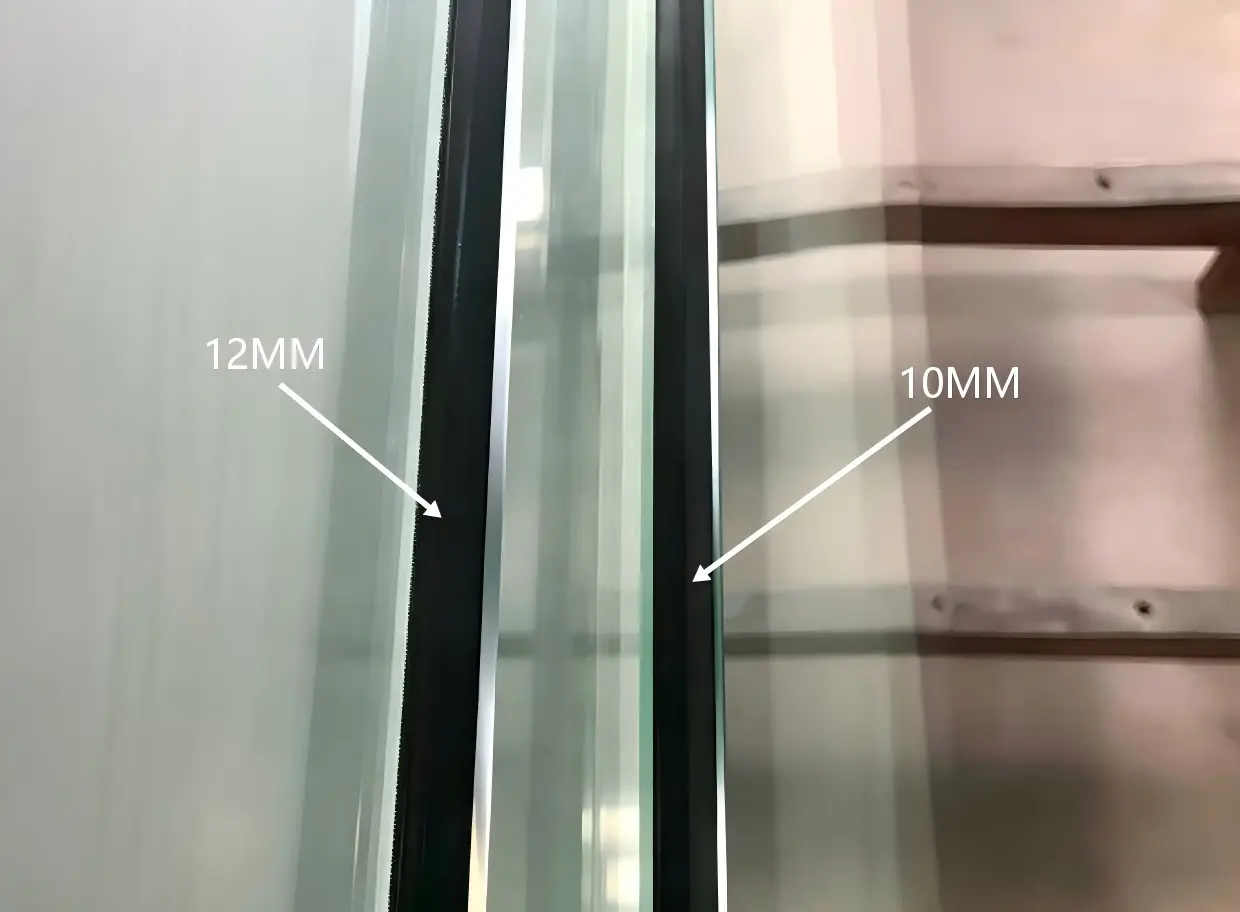
Generally, builders use 10mm glass for interior partitions or low-level, non-wind-loaded areas.However, for a balcony with railing or a terrace railing system, 12mm (1/2 inch) is considered the recommended minimum to prevent excessive flexing (deflection) under wind pressure. Do đó, for larger panels, higher elevations, oyou may need to upgrade to 15mm (approx. 5/8 inch).
Pros and Cons of 12mm Glass Railing Thickness
- Ưu điểm: More economical and easier to handle due to lower weight.
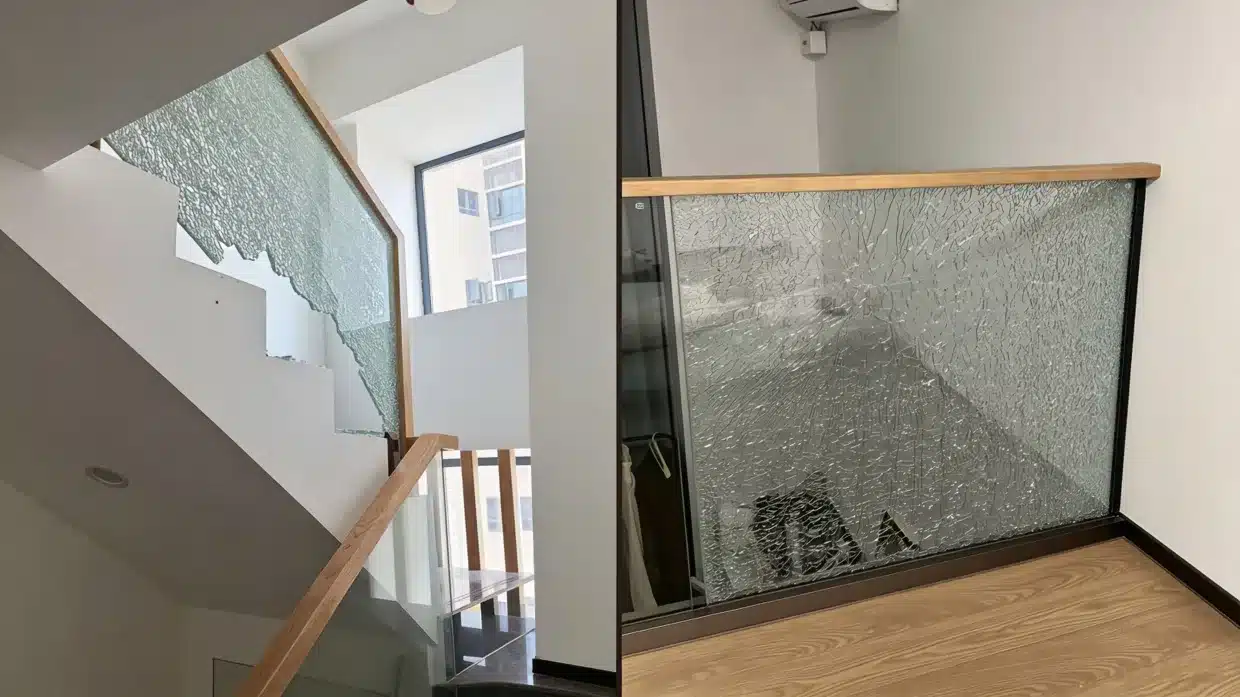
- Nhược điểm: If it breaks due to extreme impact or spontaneous breakage (nickel sulfide inclusions), the entire panel shatters into small pebbles and falls out of the frame.
2. Laminated Glass (The Safety Standard)
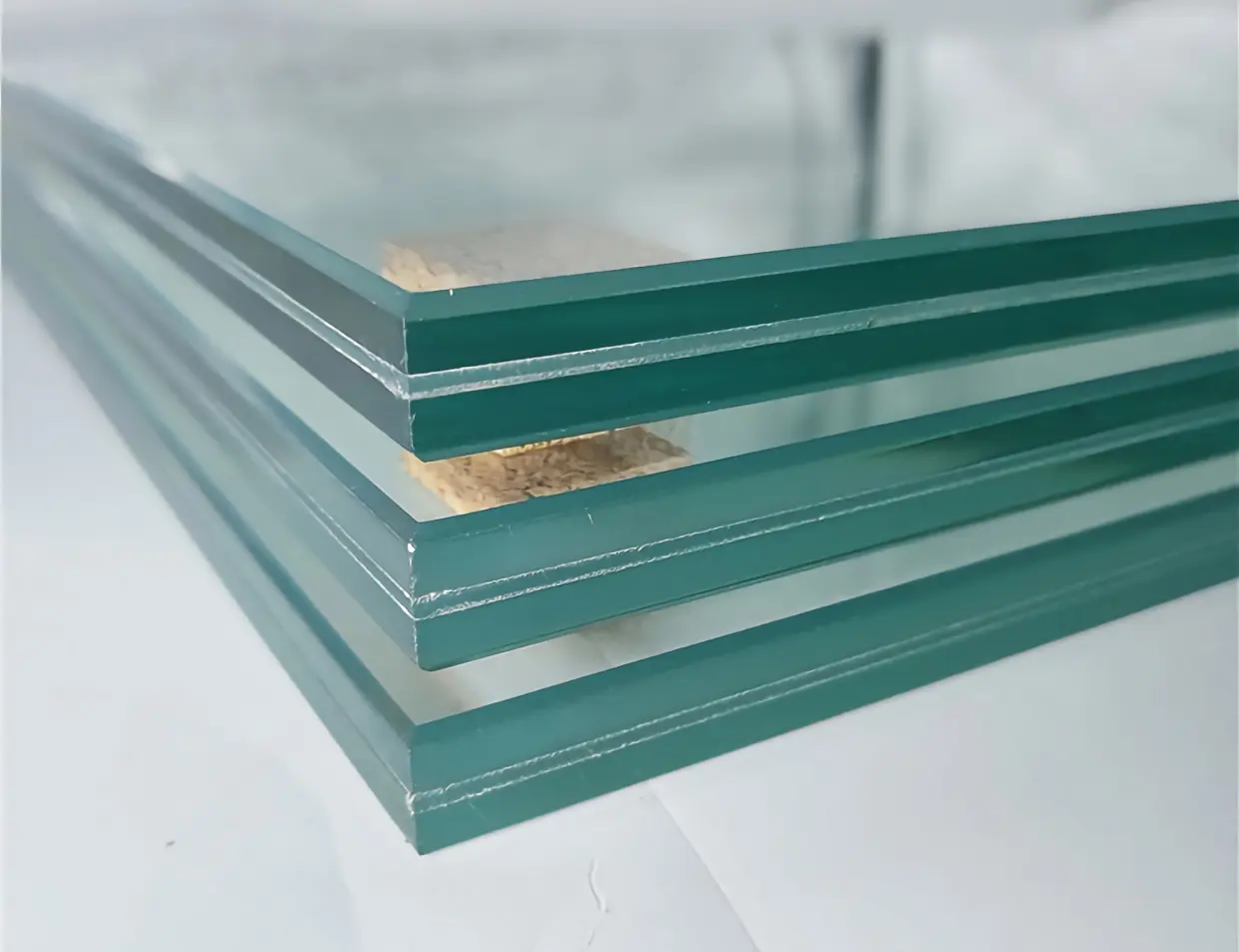
Manufacturers permanently bond two or more layers of glass together with a plastic interlayer to create laminated glass This makes it ideal for contemporary stair railing design or high-rise balcony projects. Because the plastic interlayer holds the fragments firmly in place, it prevents them from falling out if the glass breaks. Do đó, this provides a critical safety barrier for elevated balconies. Common configurations for railings include 6+6mm (approx. 1/2 inch total) hoặc 8+8mm.
Common Glass Railing Thickness (6+6mm , 8+8mm)
It is important to note that a 6+6mm panel actually measures about 12.52mm to 12.76mm (approx. 1/2 inch) in total thickness due to the added plastic interlayer. Do đó, for high-wind zones or commercial projects, engineers often specify thicker options like 8+8mm (approx. 5/8 inch) (or 13.52mm) to meet structural requirements.
Why It’s the Global Compliance Choice
Bởi vì the plastic interlayer holds the glass together even when shattered, it prevents dangerous high-altitude falls. Do đó, global codes — such as ASTM E2353 in the US and EN 12150 in Europe—increasingly mandate laminated glass for elevated guardrails. (For a deeper dive into these international safety codes, check out our [Ultimate Guide to Glass Railing Regulations]). Tương tự như vậy, coastal areas in Australia and Southeast Asia (following AS 1288) prefer laminated glass to withstand severe typhoon impacts without allowing debris to fall.
3. Low-Iron Glass (Ultra-Clear)
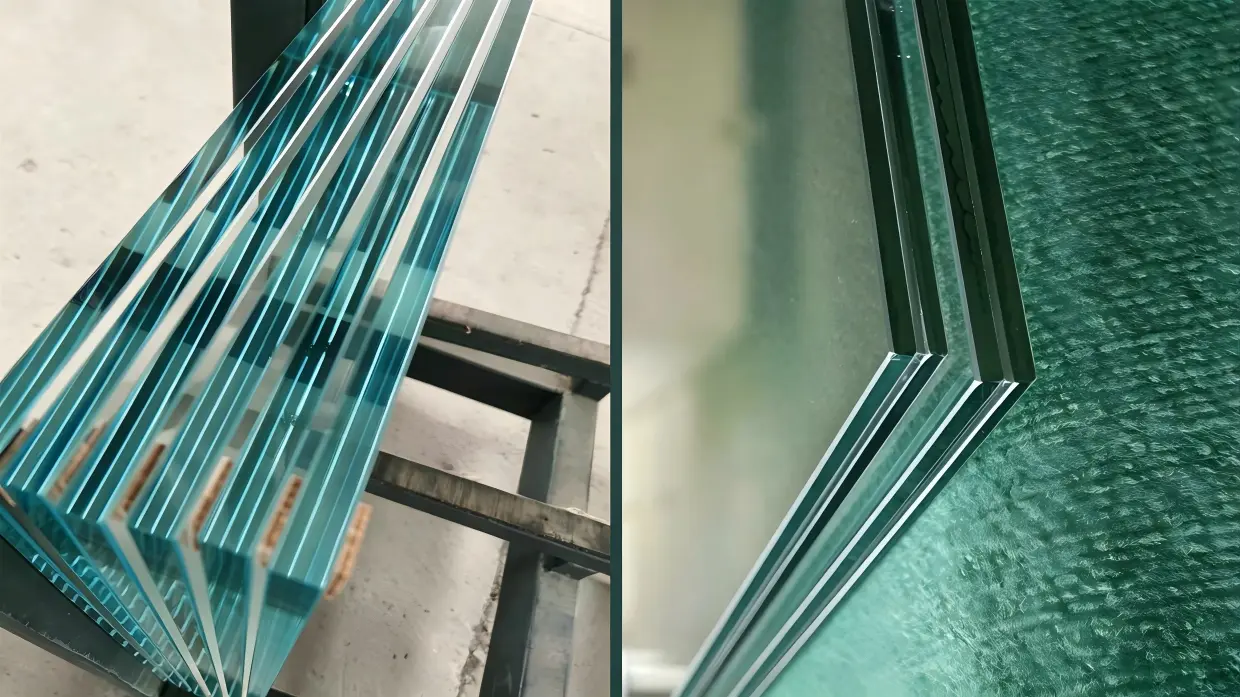
Standard glass contains iron oxide, which gives the edge a noticeable greenish tint. Trái ngược với, low-iron glass eliminates this iron content during the manufacturing process to provide a crystal-clear appearance.
The Aesthetic Advantage of Low-Iron Glass Railing Thickness
If you are installing a glass railing on a stunning coastal property, standard glass can distort the true colors of the ocean view. Do đó, low-iron glass is highly recommended as it provides 100% true color transmission, making it the ultimate choice for luxury aesthetics.
While low-iron glass adds roughly 20-30% to the material cost, the visual upgrade is undeniable for high-end properties.
Glass Railing Thickness and Cost
Low-iron glass is available in 12mm (1/2 inch) monolithic or 6+6mm laminated configurations. Tuy nhiên, because of the complex manufacturing process and high-purity raw materials required, it typically costs 20–30% more than standard glass.
How Glass Railing Thickness and Material Affect Installation
When you increase glass railing thickness or select laminated glass, it significantly impacts the total weight of your installation.For example, a 12mm (1/2 inch) monolithic panel is approximately 20% heavier than a 10mm (3/8 inch) panel. Do đó, this added weight presents new challenges during installation. Heavier panels require more manpower to lift safely. Hơn nữa, they demand a structurally robust aluminum base shoe with high-grade anchoring to withstand the increased dead loads (weight) and wind pressures. Ultimately, thicker glass and premium Low-Iron materials will directly increase your cost to install stair railing or deck railing projects, not only from material procurement but also from potential logistical and labor requirements
Câu hỏi thường gặp
Q: Is 12mm (1/2 inch) tempered glass strong enough for a balcony?
A: Yes, 12mm (1/2 inch) tempered glass meets residential safety standards globally. However, if your balcony is on a high-rise (especially in typhoon-prone regions like Southeast Asia or coastal Australia), we strongly recommend 6+6mm laminated glass to meet strict wind load and fall prevention codes.
Q: What is the difference between 12mm (1/2 inch) tempered and 6+6mm laminated?
A:12mm (1/2 inch) refers to a single monolithic piece of glass. In contrast, 6+6mm (approx. 1/2 inch total) laminated glass consists of two 6mm panels bonded with a plastic interlayer. While both are considered safety glass, laminated glass is significantly safer for high-rise applications because the interlayer holds broken fragments together in the frame, satisfying strict ASTM E2353 and EN 12150 standards.
Q: Why is Low-Iron Glass More Expensive for Glass Railing Thickness?
A:Low-iron glass removes the iron oxide found in standard glass, eliminating the greenish tint. The raw materials and manufacturing processes are more expensive, but it is highly preferred for luxury coastal properties where unobstructed views are critical. Overall, the glass railing cost per linear foot reflects these premium upgrades.
Q: Can I use 10mm glass in the Middle East for a 1,200mm high railing?
A:No. For a 1,200mm (47.2 inches) high barrier in the UAE, the glass surface area is larger, which increases wind load pressure. You must use at least 12mm (1/2 inch) tempered or 13.52mm (approx. 1/2 inch) laminated glass to prevent excessive deflection and ensure safety.

Kết luận
Ultimately, selecting the right glass railing thickness and material ensures both beauty and structural integrity. While some might compare it to a cable railing cost, glass offers superior wind resistance and unobstructed views, making it the preferred choice for high-end coastal architecture. While 12mm (1/2 inch) tempered glass is the global baseline for residential decks, upgrading to 6+6mm (approx. 1/2 inch total) laminated glass provides essential safety for high-rises and coastal zones. For premium projects, Low-Iron glass offers unparalleled clarity. Always ensure your glass panels are engineered to meet local guardrail height requirements.
Ensure your project’s success with premium materials. Backed by precision manufacturing equipment and rigorous quality control, Meizstairs provides high-quality tempered, laminated, and Low-Iron glass panels tailored to international standards. Contact us today for a quote!