


من مورد منتجات إلى شريك لحل المشكلات
يتناول هذا المقال التحديات الحقيقية التي تواجهها عند اختيار سلالم مخصصة. في ميتسستيرز، نؤمن بأن الحلول الفعالة تنبع من فهم ظروف موقعك الفعلية - وليس مجرد بيع مجموعات جاهزة.
الالتشخيص المبني على الخبرة
15 عاماً من بيانات المصنع تساعدنا في تشخيص مشكلات الموقع الحقيقية (المساحة المتاحة، تدفق حركة المرور، سلوك المواد) بدلاً من فرض منتج قياسي.
نهج شولي
نأخذ بعين الاعتبار النمط المعماري لمنزلك، وميزانيتك، ومتطلبات الأمان، وقوانين البناء المحلية لنقترح ما يناسبك حقاً.
شراكة طويلة الأمد
رضاكم هو نجاحنا. لذلك، نحن ملتزمون بضمان سلالم مخصصة تظل جميلة وآمنة لعقود.
لماذا تُعد السلالم المصنوعة حسب الطلب ذات أهمية
ومع ذلك، فإن الدرج ليس مجرد وسيلة ربط بين الطوابق، بل هو نقطة محورية تؤثر على السلامة اليومية، وقيمة المنزل، والانسجام المعماري. وبسبب اختيار سلالم مخصصة يعد أحد أهم القرارات في بناء أو تجديد المنزل، فالخيار الخاطئ يمكن أن يجعل الممر الضيق يبدو ضيقاً، أو يتسبب في مخاطر التعثر، أو يتعارض مع تصميمك الداخلي.
على سبيل المثال، سيء درج مصمم يمكن أن يؤثر على كل من السلامة وقمة إعادة البيع. ولهذا السبب يستثمر المزيد من أصحاب المنازل في سلالم مخصصة التي تناسب مساحتهم، وأسلوبهم، وميزانيتهم.
إذن، كيف تختار؟ سلالم مخصصة التي توازن بين الجماليات، والوظيفة، والأمان؟ يرشدك هذا الدليل خلال كل قرار: بدءاً من أنماط السلالم وحتى المواد، ومن الميزانية إلى التركيب.
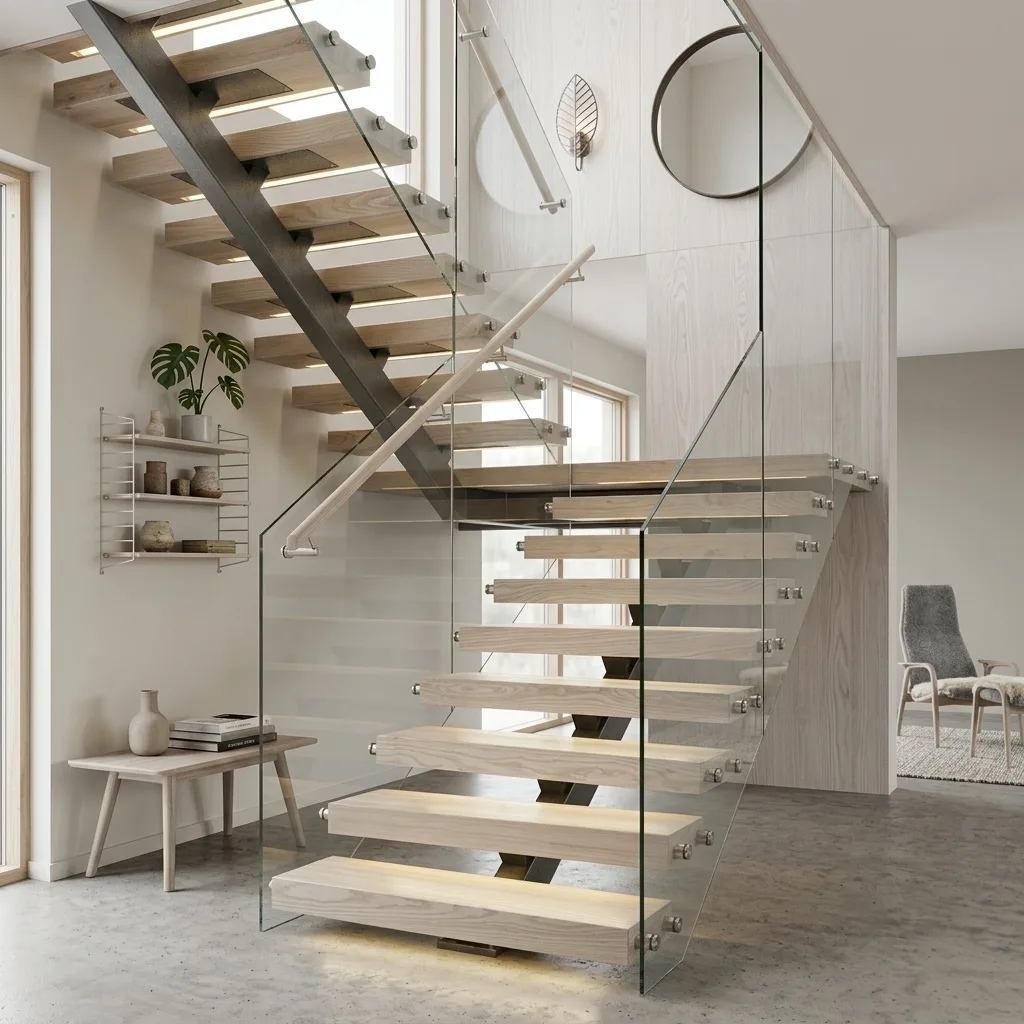
الخطوة 1: خطط لمساحتك للسلالم المصنوعة خصيصاً
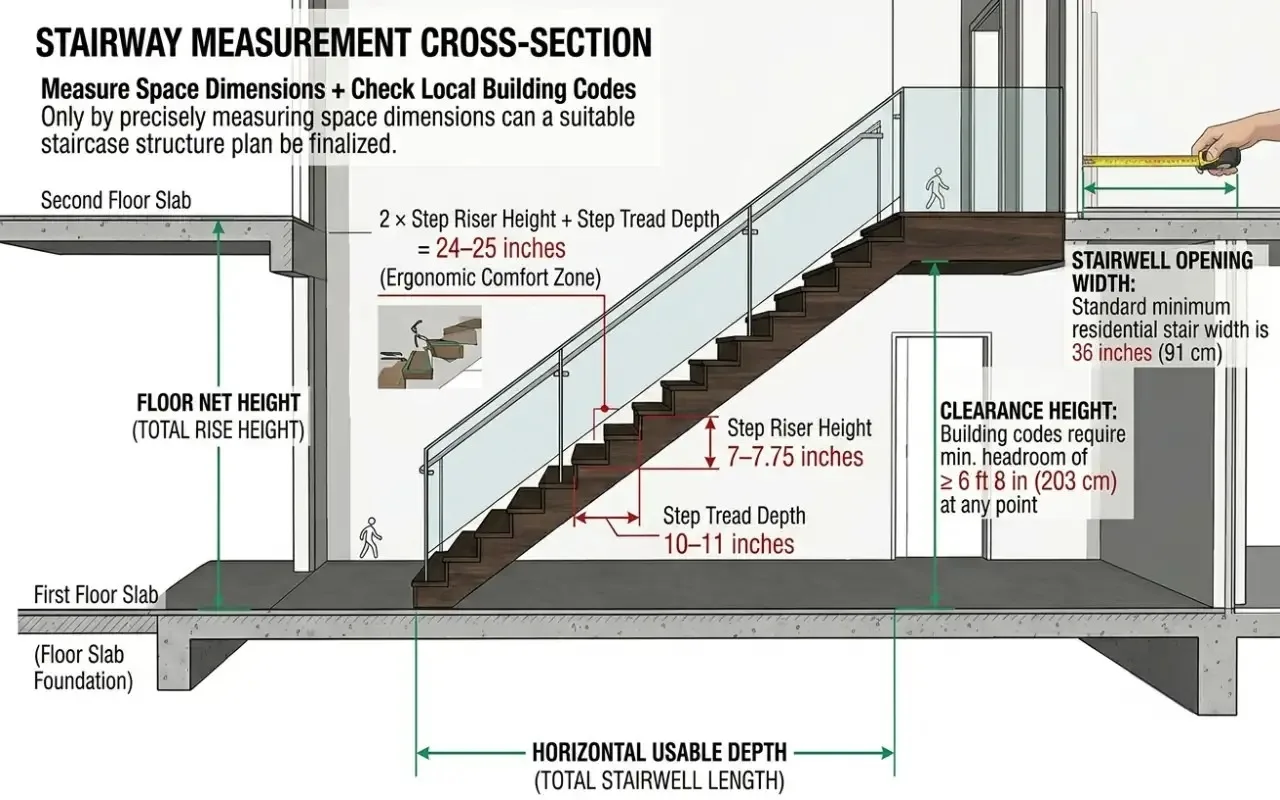
قبل أن تنظر إلى أي كتالوج تصميم، تحتاج إلى فهم مساحتك الفعلية. لأن كل منزل مختلف،, سلالم مخصصة يجب أن يتم التخطيط بناءً على القياسات الحقيقية - وليس الأبعاد القياسية.
أهم الأمور التي يجب التحقق منها:
- ارتفاع السقف والخلوص الرأسي
- مساحة الأرضية المتاحة لمدى السلم
- قوانين البناء المحلية لارتفاع القائمة، وعرض الدرجة، وارتفاع الدرابزين
- تدفق حركة المرور وكيفية اتصال الدرج بالغرف الأخرى
على سبيل المثال، إذا كان ارتفاع سقفك 2.8 متر، فستحتاج إلى عدد درجات مختلف عما لو كان السقف 2.4 متر. علاوة على ذلك، تختلف قوانين البناء حسب المنطقة، لذا احرص دائمًا على التأكد من المتطلبات المحلية قبل وضع اللمسات الأخيرة على تصميمك.
الخطوة 2: حدد طرازك المعماري
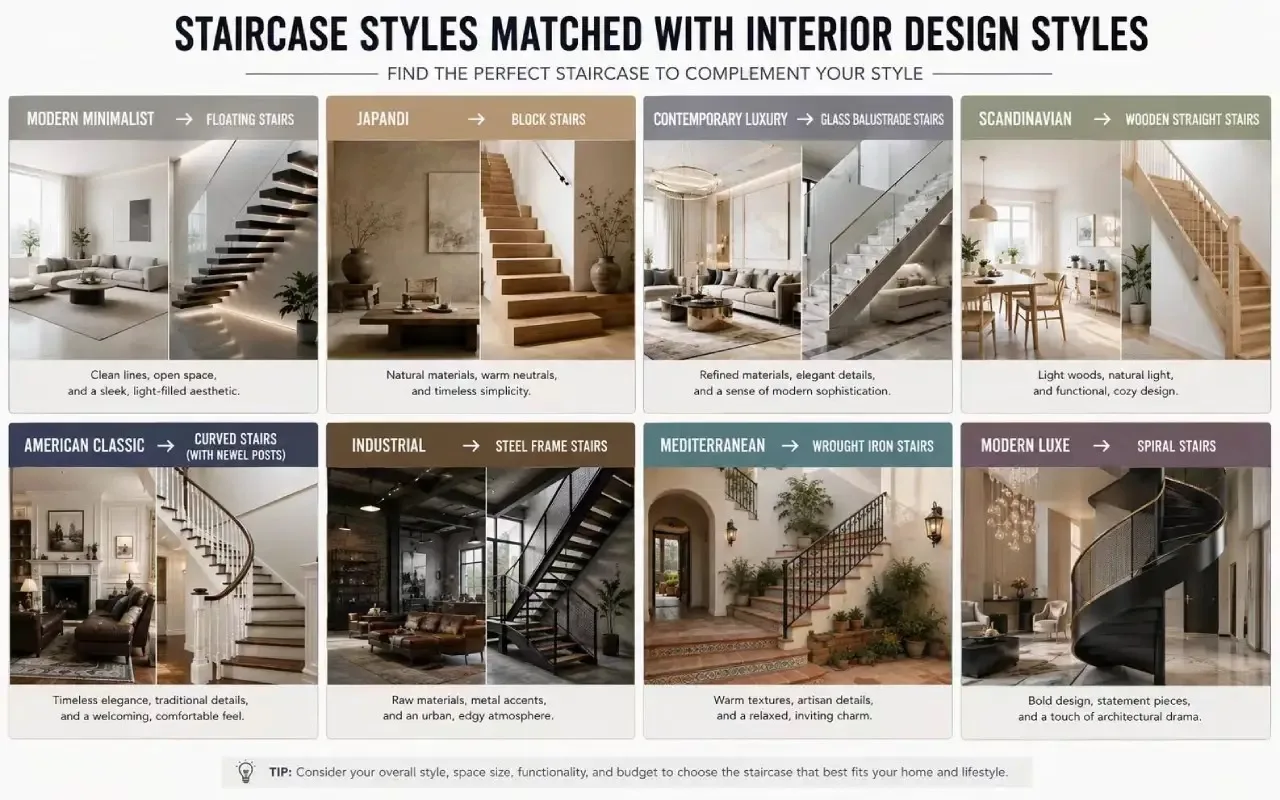
لذلك، يجب أن يشعر درجك بأنه جزء طبيعي من منزلك، وليس مجرد فكرة لاحقة. حدد طرازك المعماري أولاً.
تشمل الأنماط الشائعة:
- حديث وبسيط
- تقليدي / كلاسيكي
- صناعي
- ريفي / بيت فلاحي
- فخامة معاصرة
لأن سلالم مخصصة مصنوعة حسب الطلب، ويمكنك مطابقة النمط بدقة - بدءاً من انحناء درابزين اليد وحتى التشطيب على الدرجات.
الخطوة 3: اختر طراز السلالم المصنوع خصيصاً لك
الآن حان الوقت لاختيار نمط الدرج الفعلي. إليك الخيارات الأكثر شعبية:
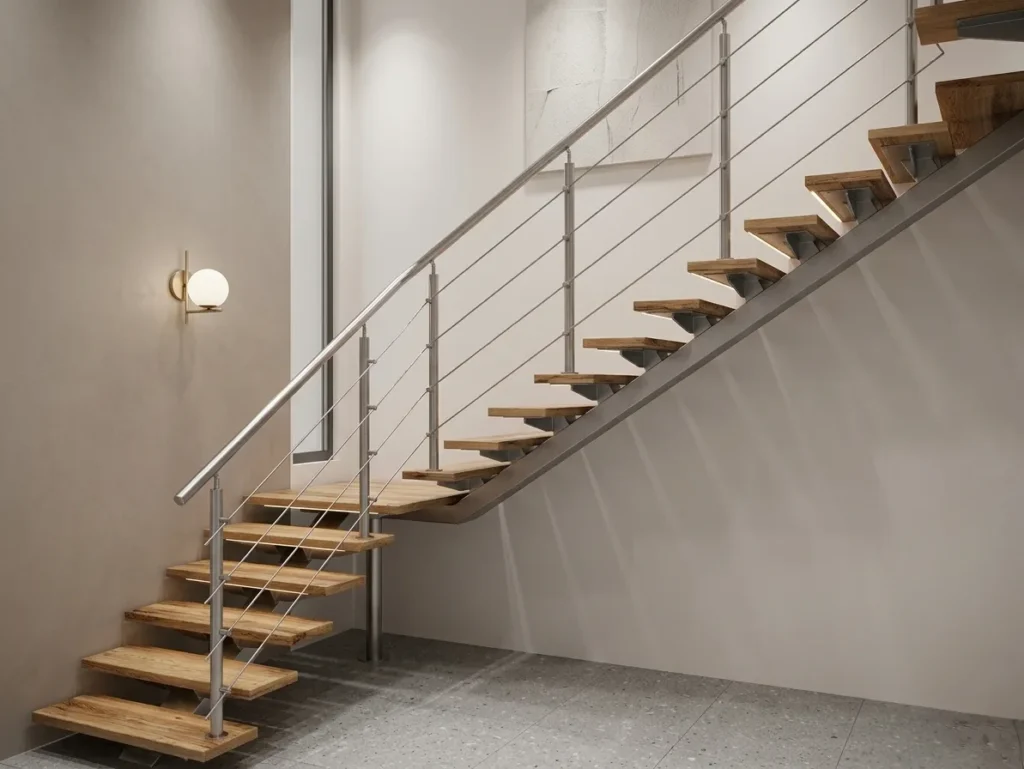
درج مستقيم
بسيطة، موفرة للمساحة، وفعالة من حيث التكلفة. ومع ذلك، فهي تتطلب مساحة أفقية أطول.
درج على شكل حرف L
مثالية للزوايا. علاوة على ذلك، يمكن أن تتضمن بسطة للسلامة والراحة.
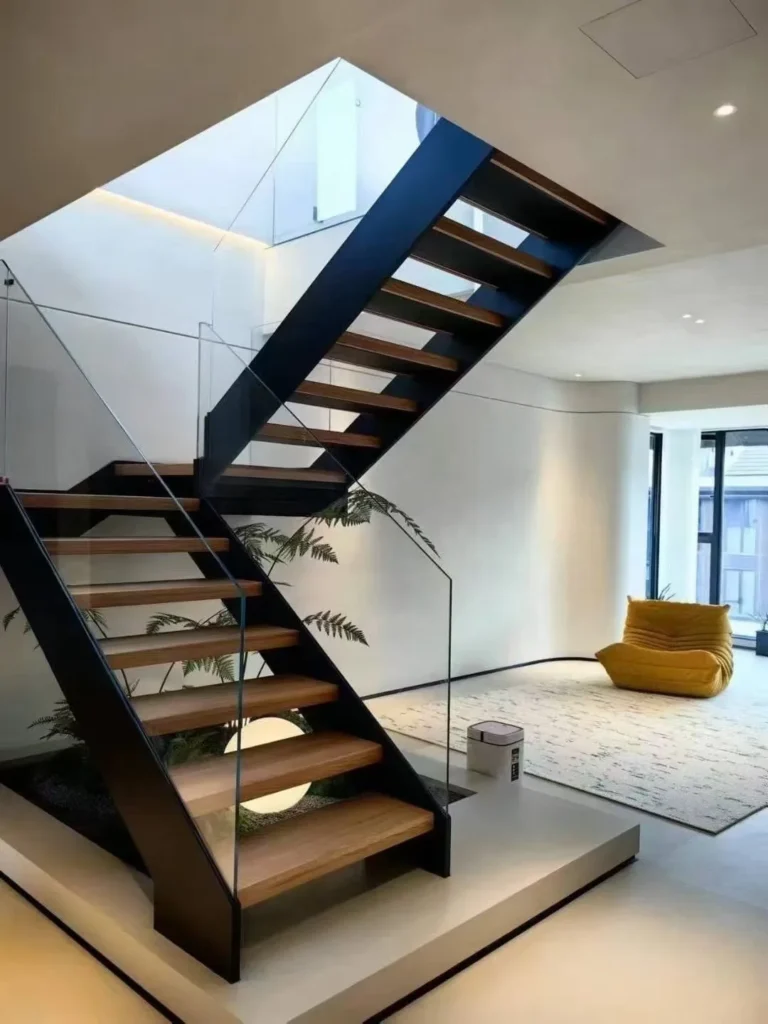
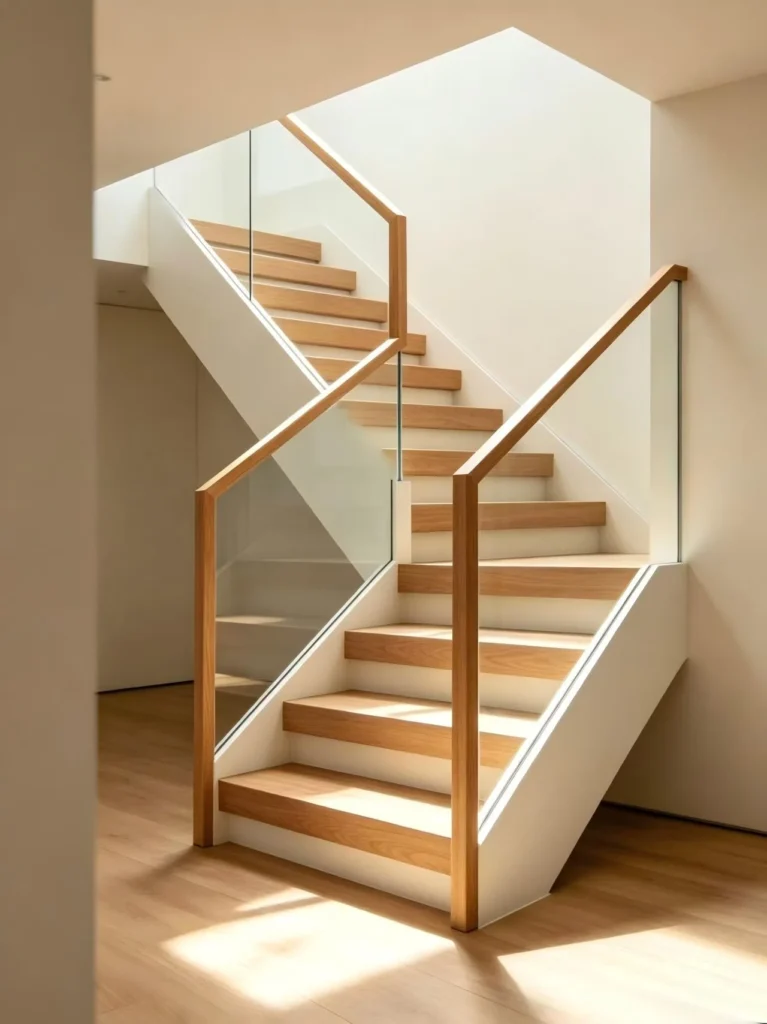
درج على شكل حرف U
Great for narrow spaces because they fold back on themselves.
Spiral stairs
Space-saving and dramatic. However, they can be harder to carry furniture up.
Curved stairs
Elegant and custom-built. Because they require precise fabrication, they are usually the most expensive option.
When choosing your سلالم مخصصة style, always balance appearance with daily function.
Step 4: Select Materials for Custom Made Stairs
Because materials affect cost, durability, maintenance, and look, here’s a quick comparison:
| Material | Pros | Cons |
|---|---|---|
| Solid wood | Warm, classic, easy to repair | Can creak, needs maintenance |
| Steel | Strong, modern, durable | Can feel cold, may rust if untreated |
| Glass | Bright, modern, visually open | Needs cleaning, higher cost |
| Stone | Luxurious, long-lasting | Heavy, expensive, slippery |
| Composite | Low maintenance, consistent | Less natural look |
Moreover, don’t forget the small components: connectors, balusters, handrails, and treads. Because cheap parts fail first, always ask your درج مخصص manufacturer about the quality of their hardware.
Step 5: Budget & Cost of Custom Made Stairs
Therefore, bespoke stairs cost more than prefabricated kits – but they also last longer and fit better. Plan your budget carefully.
Typical cost factors:
- Material choice
- Design complexity (straight vs. curved)
- Site conditions
- Labor and installation
- Finishing and safety features
For example, a straight wooden staircase may cost significantly less than a curved glass and steel design. However, because سلالم مخصصة are built for your home, they often add more resale value than standard options.
Step 6: Installing Your Custom Made Stairs
لأن سلالم مخصصة involve precise measurements and structural safety, professional installation is strongly recommended.
DIY installation may save money upfront. However, if the riser height varies even slightly, it can create a safety hazard. Moreover, improper installation can void warranties and fail building inspections.
Therefore, always work with an experienced installer – preferably the same team that fabricated your custom staircase.
Step 7: Finishing & Safety for Custom Made Stairs
Moreover, finishing affects both appearance and safety.
Key finishing choices:
- Stain or paint color
- Matte vs. glossy finish
- Anti-slip treads or strips
- Handrail shape and grip
Because safety is non-negotiable, always include:
- Consistent riser height
- Proper handrail height
- Non-slip surfaces
- Adequate lighting
For example, if you have children or elderly family members, consider adding a landing or reducing the stair slope.
Step 8: Keep Your Custom Made Stairs Safe
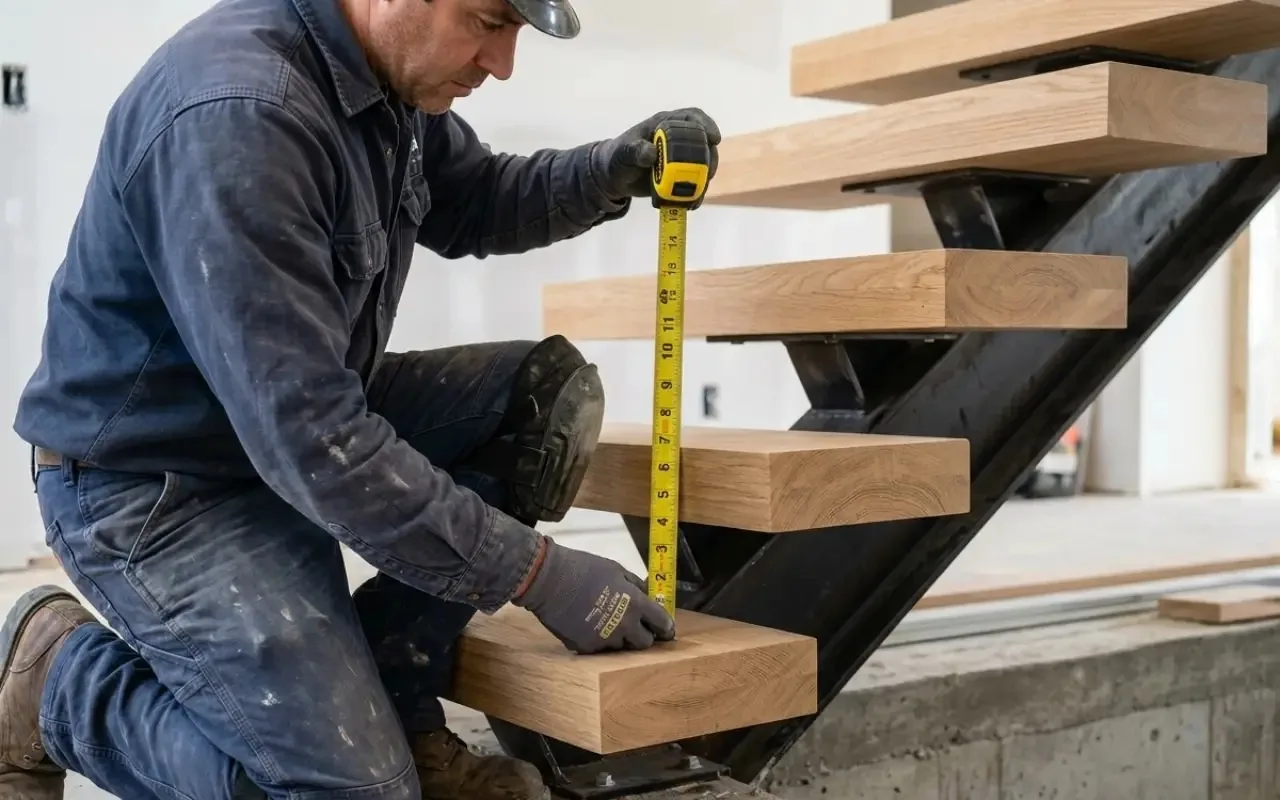
Finally, safety doesn’t end after installation. Because a custom staircase is a long-term investment, regular inspection matters.
Check for:
- Loose balusters or handrails
- Squeaking or movement in treads
- Worn anti-slip surfaces
- Loose connectors
For example, tighten any loose hardware every 6–12 months. Moreover, if you notice any structural movement, contact your manufacturer immediately.
Final Thoughts on Custom Made Stairs
In conclusion, choosing a custom staircase is about more than style – it’s about safety, function, and long-term value. However, with the right planning, materials, and installation team, you can create a staircase that fits your home perfectly.
Because every home is different, there is no one-size-fits-all answer. Therefore, start with your space, confirm your building codes, and work with an experienced درج مخصص manufacturer who understands both design and engineering.