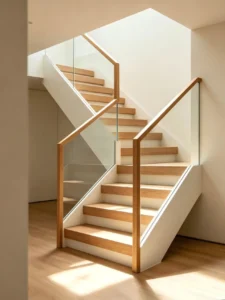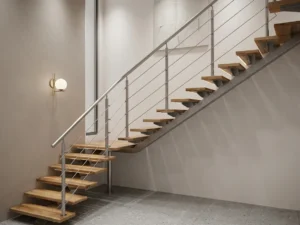


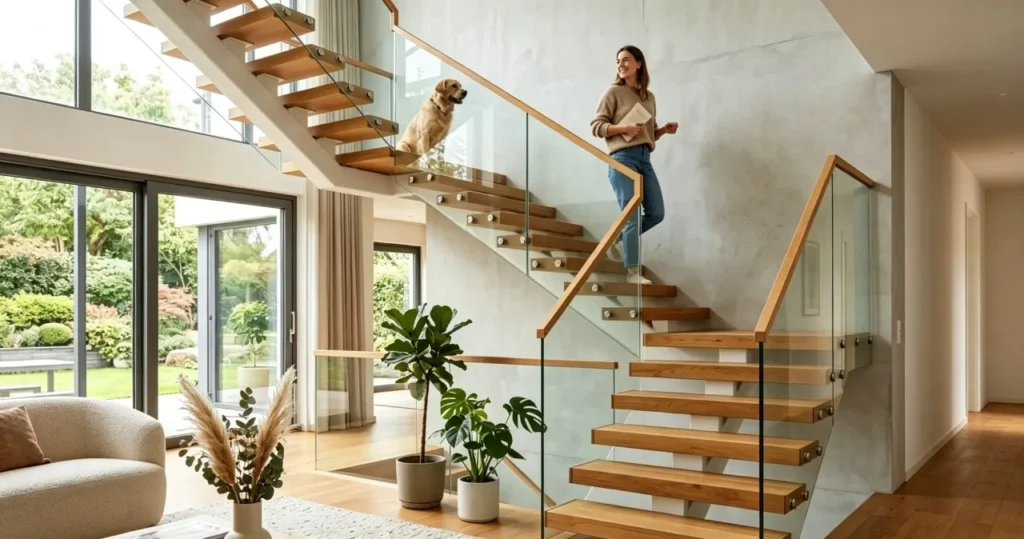

From Product Supplier to Problem-Solving Partner
This article addresses the real challenges you face when selecting custom made stairs. At Meizstairs, we believe effective solutions come from understanding your actual site conditions – not just selling prefabricated kits.
Diagnosis Based on Experience
15 years of factory data help us diagnose real site issues (headroom, traffic flow, material behavior) instead of pushing a standard product.
Holistic Approach
We consider your home’s architectural style, budget, safety needs, and local building codes to recommend what truly works.
Long-Term Partnership
Your satisfaction is our success. Therefore, we’re committed to ensuring your custom made stairs remain beautiful and safe for decades.
Why Choosing Custom Made Stairs Matters
However, a staircase is not just a connection between floors – it’s a focal point that affects daily safety, home value, and architectural harmony. Because choosing custom made stairs is one of the most important decisions in a home build or renovation, the wrong choice can make a narrow hall feel cramped, create trip hazards, or clash with your interior design.
For example, a poorly designed staircase can affect both safety and resale value. That’s why more homeowners are investing in custom made stairs that fit their space, style, and budget.
So, how do you choose custom made stairs that balance aesthetics, functionality, and safety? This guide walks you through every decision: from stair styles to materials, from budget to installation.
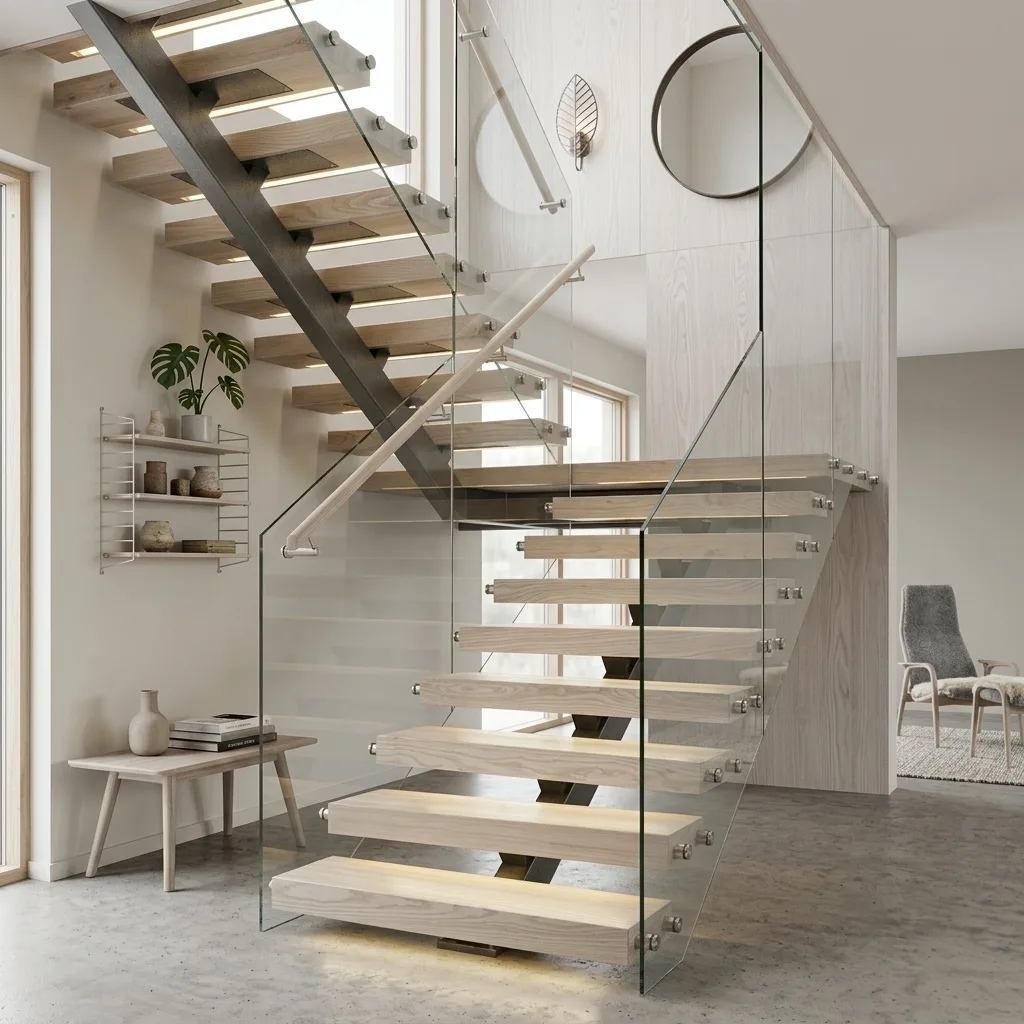
Step 1: Plan Your Space for Custom Made Stairs
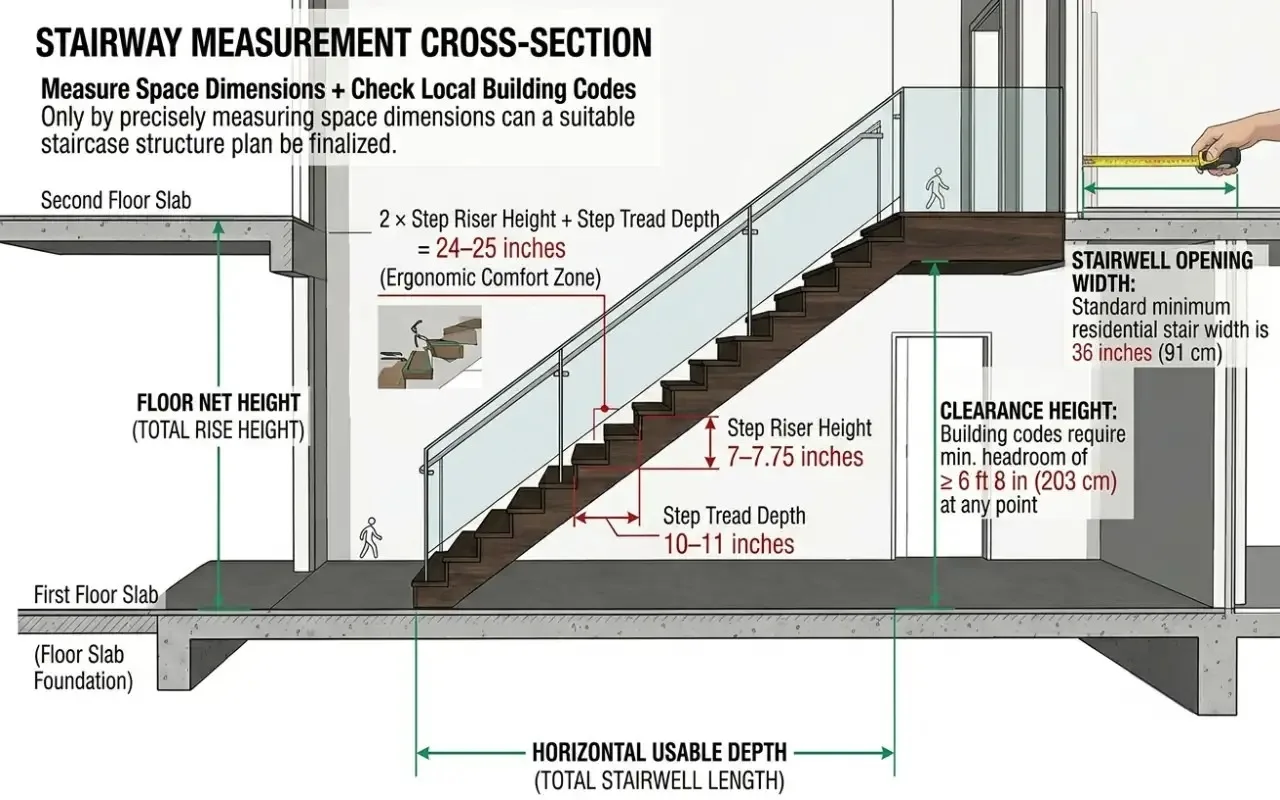
Before you look at any design catalog, you need to understand your actual space. Because every home is different, custom made stairs must be planned around real measurements – not standard dimensions.
Key things to check:
- Ceiling height and headroom
- Available floor space for the stair run
- Local building codes for riser height, tread depth, and handrail height
- Traffic flow and how the stairs connect to other rooms
For example, if your ceiling height is 2.8m, you’ll need a different riser count than a 2.4m ceiling. Moreover, building codes vary by region, so always confirm local requirements before finalizing your design.
Step 2: Identify Your Architectural Style
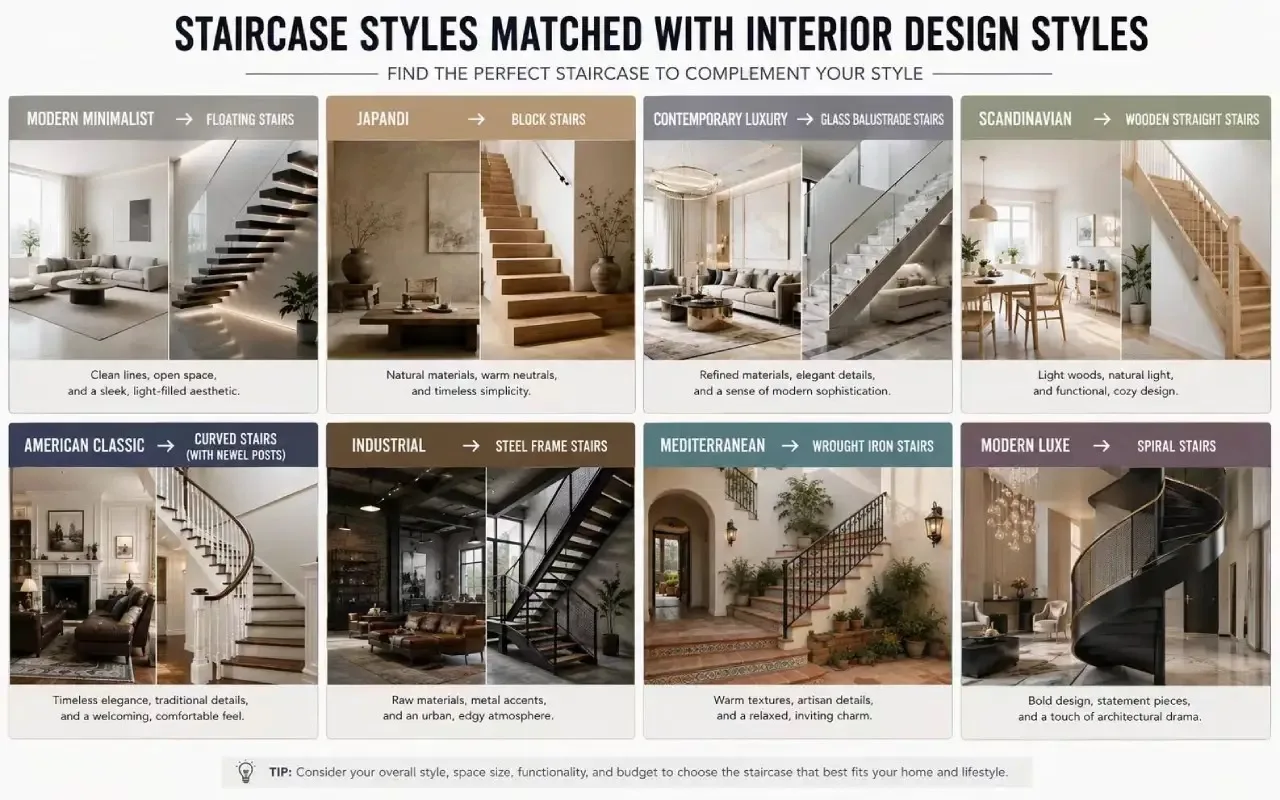
Therefore, your staircase should feel like a natural part of your home, not an afterthought. Identify your architectural style first.
Common styles include:
- Modern minimalist
- Traditional / classic
- Industrial
- Rustic / farmhouse
- Contemporary luxury
Because custom made stairs are built to order, you can match the style precisely – from the curve of the handrail to the finish on the treads.
Step 3: Choose Your Custom Made Stairs Style
Now it’s time to choose the actual stair style. Here are the most popular options:
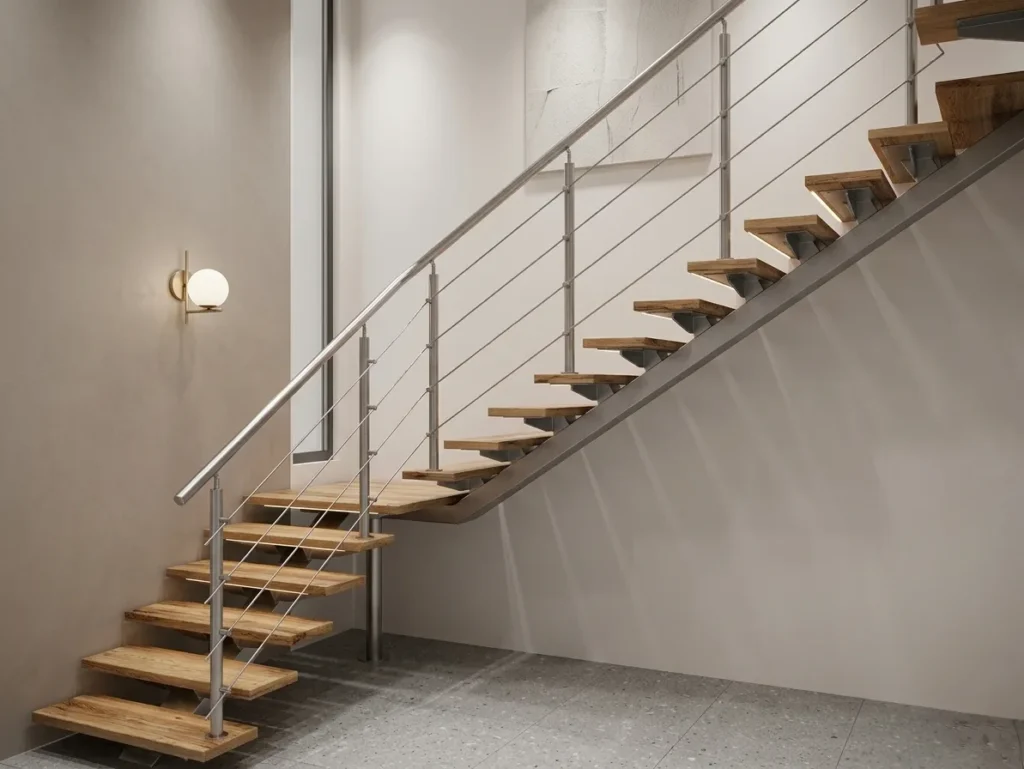
Straight stairs
Simple, space-efficient, and cost-effective. However, they require a longer floor run.
L-shaped stairs
Ideal for corners. Moreover, they can include a landing for safety and rest.
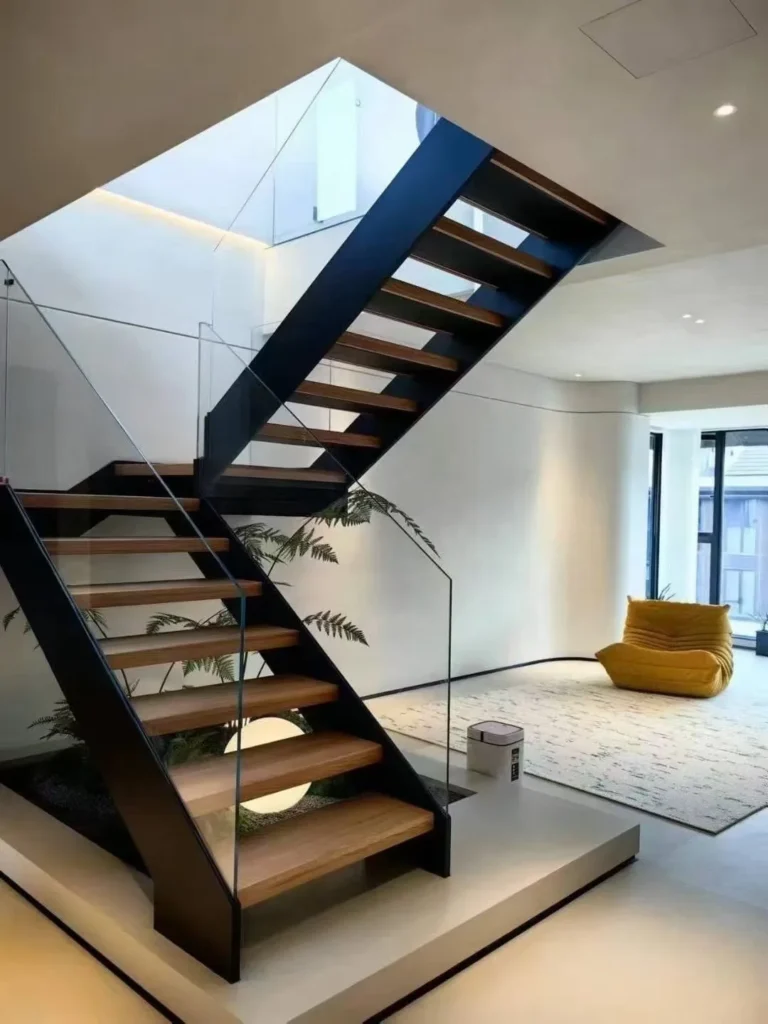
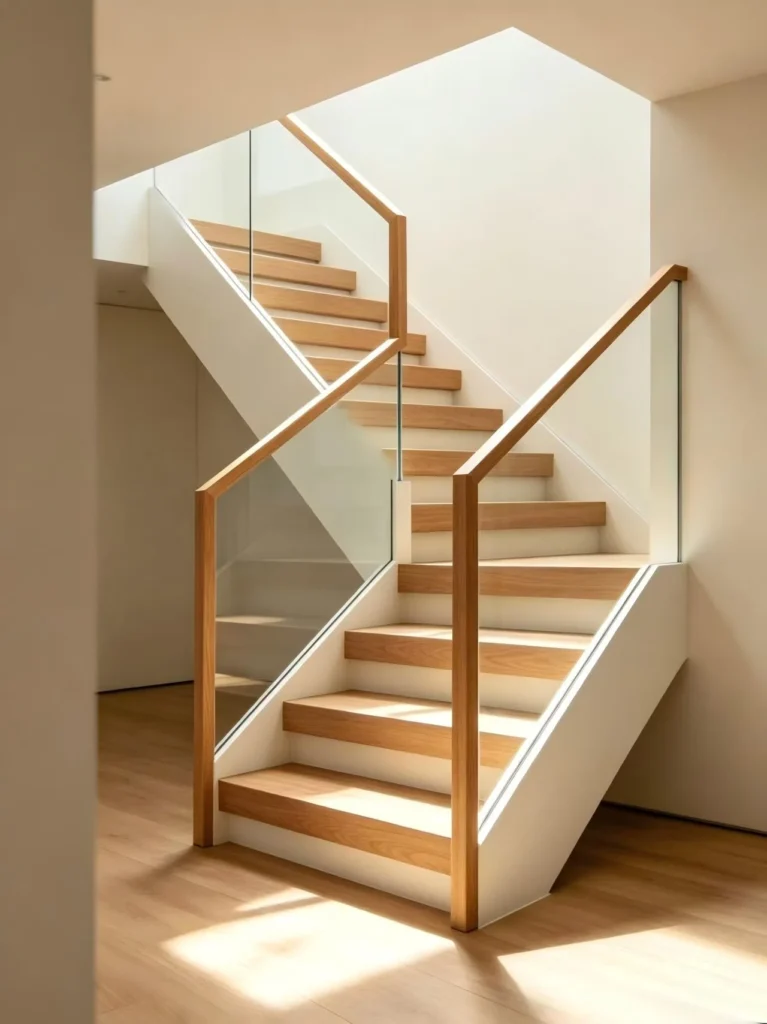
U-shaped stairs
Great for narrow spaces because they fold back on themselves.
Spiral stairs
Space-saving and dramatic. However, they can be harder to carry furniture up.
Curved stairs
Elegant and custom-built. Because they require precise fabrication, they are usually the most expensive option.
When choosing your custom made stairs style, always balance appearance with daily function.
Step 4: Select Materials for Custom Made Stairs
Because materials affect cost, durability, maintenance, and look, here’s a quick comparison:
| Material | Pros | Cons |
|---|---|---|
| Solid wood | Warm, classic, easy to repair | Can creak, needs maintenance |
| Steel | Strong, modern, durable | Can feel cold, may rust if untreated |
| Glass | Bright, modern, visually open | Needs cleaning, higher cost |
| Stone | Luxurious, long-lasting | Heavy, expensive, slippery |
| Composite | Low maintenance, consistent | Less natural look |
Moreover, don’t forget the small components: connectors, balusters, handrails, and treads. Because cheap parts fail first, always ask your custom staircase manufacturer about the quality of their hardware.
Step 5: Budget & Cost of Custom Made Stairs
Therefore, bespoke stairs cost more than prefabricated kits – but they also last longer and fit better. Plan your budget carefully.
Typical cost factors:
- Material choice
- Design complexity (straight vs. curved)
- Site conditions
- Labor and installation
- Finishing and safety features
For example, a straight wooden staircase may cost significantly less than a curved glass and steel design. However, because custom made stairs are built for your home, they often add more resale value than standard options.
Step 6: Installing Your Custom Made Stairs
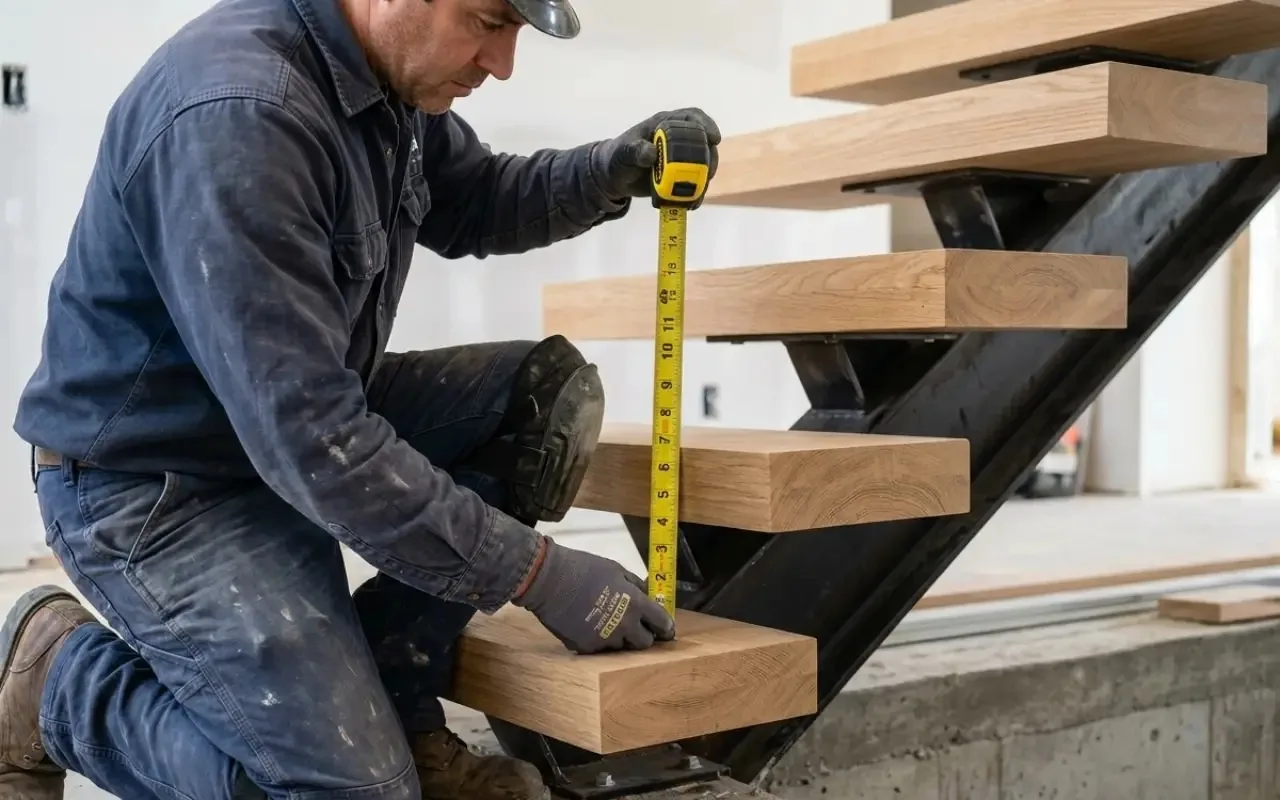
Because custom made stairs involve precise measurements and structural safety, professional installation is strongly recommended.
DIY installation may save money upfront. However, if the riser height varies even slightly, it can create a safety hazard. Moreover, improper installation can void warranties and fail building inspections.
Therefore, always work with an experienced installer – preferably the same team that fabricated your custom staircase.
Step 7: Finishing & Safety for Custom Made Stairs
Moreover, finishing affects both appearance and safety.
Key finishing choices:
- Stain or paint color
- Matte vs. glossy finish
- Anti-slip treads or strips
- Handrail shape and grip
Because safety is non-negotiable, always include:
- Consistent riser height
- Proper handrail height
- Non-slip surfaces
- Adequate lighting
For example, if you have children or elderly family members, consider adding a landing or reducing the stair slope.
Step 8: Keep Your Custom Made Stairs Safe
Finally, safety doesn’t end after installation. Because a custom staircase is a long-term investment, regular inspection matters.
Check for:
- Loose balusters or handrails
- Squeaking or movement in treads
- Worn anti-slip surfaces
- Loose connectors
For example, tighten any loose hardware every 6–12 months. Moreover, if you notice any structural movement, contact your manufacturer immediately.
Final Thoughts on Custom Made Stairs
In conclusion, choosing a custom staircase is about more than style – it’s about safety, function, and long-term value. However, with the right planning, materials, and installation team, you can create a staircase that fits your home perfectly.
Because every home is different, there is no one-size-fits-all answer. Therefore, start with your space, confirm your building codes, and work with an experienced custom staircase manufacturer who understands both design and engineering.