


Welcome to the ultimate guide to handrail. Whether you are a homeowner updating a staircase, a contractor installing an outdoor deck, or a facility manager ensuring ADA compliance, handrails are critical for safety, accessibility, and visual appeal. In this comprehensive guide, we will cover everything you need to know about handrails, including types, materials, core components, installation basics, code requirements, and cost factors. We will also direct you to our in-depth guides for each specific area.
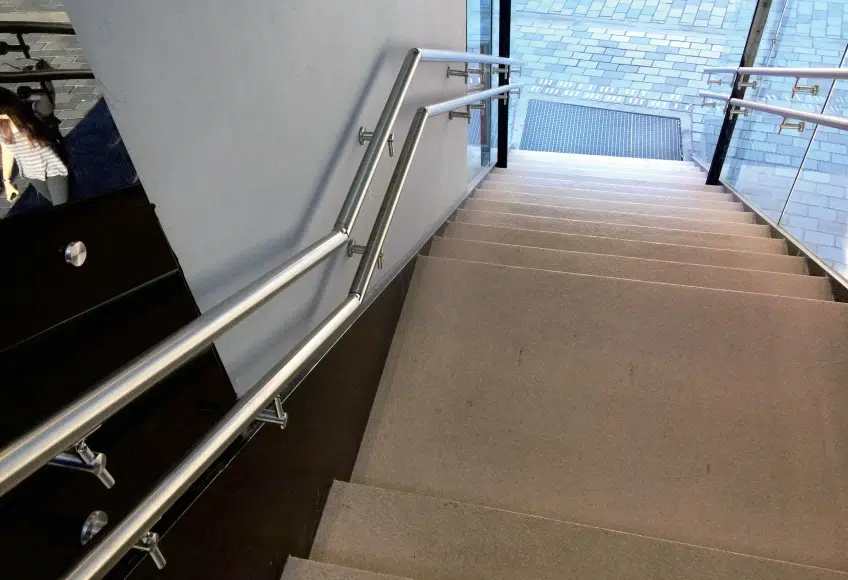
What Is a Handrail? (And Why It Matters)
A handrail is a rail that is designed to be grasped by the hand, providing support, stability, and guidance along a staircase, ramp, or walkway. While often confused with a guardrail, a handrails is specifically intended for grasping, whereas a guardrail is primarily a barrier to prevent falls.
Handrails are essential for:
- Safety: Preventing slips and falls on stairs.
- Accessibility: Assisting elderly individuals, children, and people with disabilities.
- Legal Compliance: Meeting local building codes and ADA (Americans with Disabilities Act) standards.
- Aesthetics: Enhancing the interior or exterior design of a property.
Types of Handrails
Handrails come in many forms depending on their location, mounting style, and intended use. Understanding these categories will help you narrow down the perfect solution for your project.
By Location and Application
- Interior Stair Handrails: Designed for indoor staircases, focusing on style and comfort. (See our guide to Wood Handrails).
- Exterior/Outdoor Handrails: Built to withstand weather, moisture, and temperature changes. (See our guide to Outdoor Handrails for Steps).
- Commercial Handrails: Heavy-duty, high-traffic systems for offices, schools, and hospitals.
- ADA Handrails: Specifically designed to meet strict accessibility codes. (See our ADA Handrail Requirements guide).
By Mounting Style
- Wall-Mounted Handrails: Attached directly to a wall using brackets. Ideal for stairwells and hallways.
- Top-Mounted Handrails: Installed on the top of a post or floor surface.
- Post-Mounted Handrails: Attached to vertical posts, common in deck and porch railings.(Explore our Adjustable Handrail Brackets guide for mounting options).
By Material
The material you choose affects durability, maintenance, and appearance.
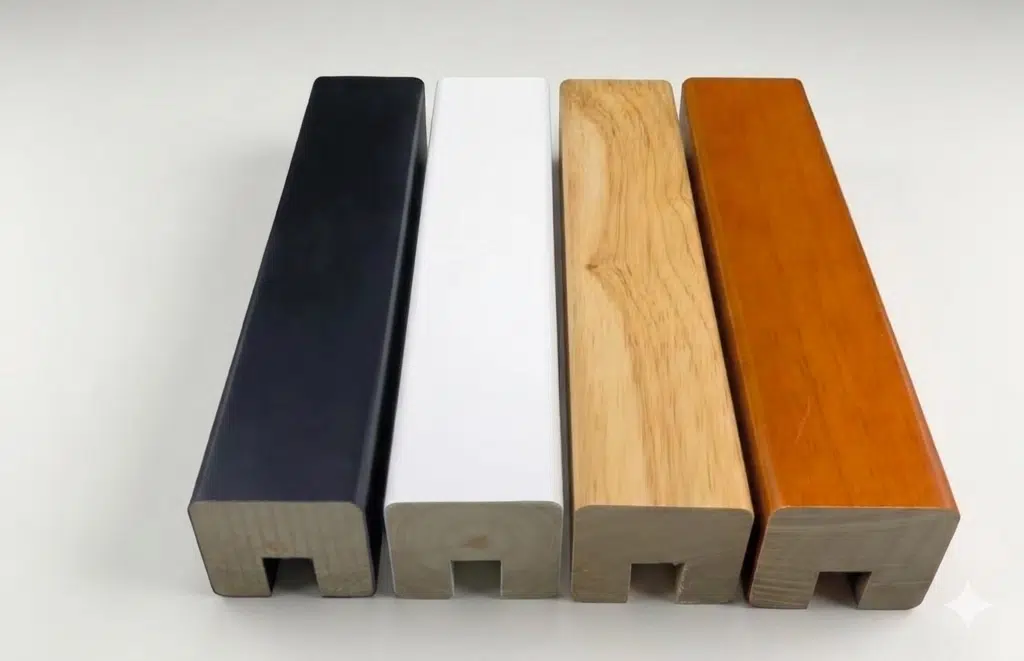
- Wood: Classic, warm, and customizable. (Read our Oak Handrail Guide).
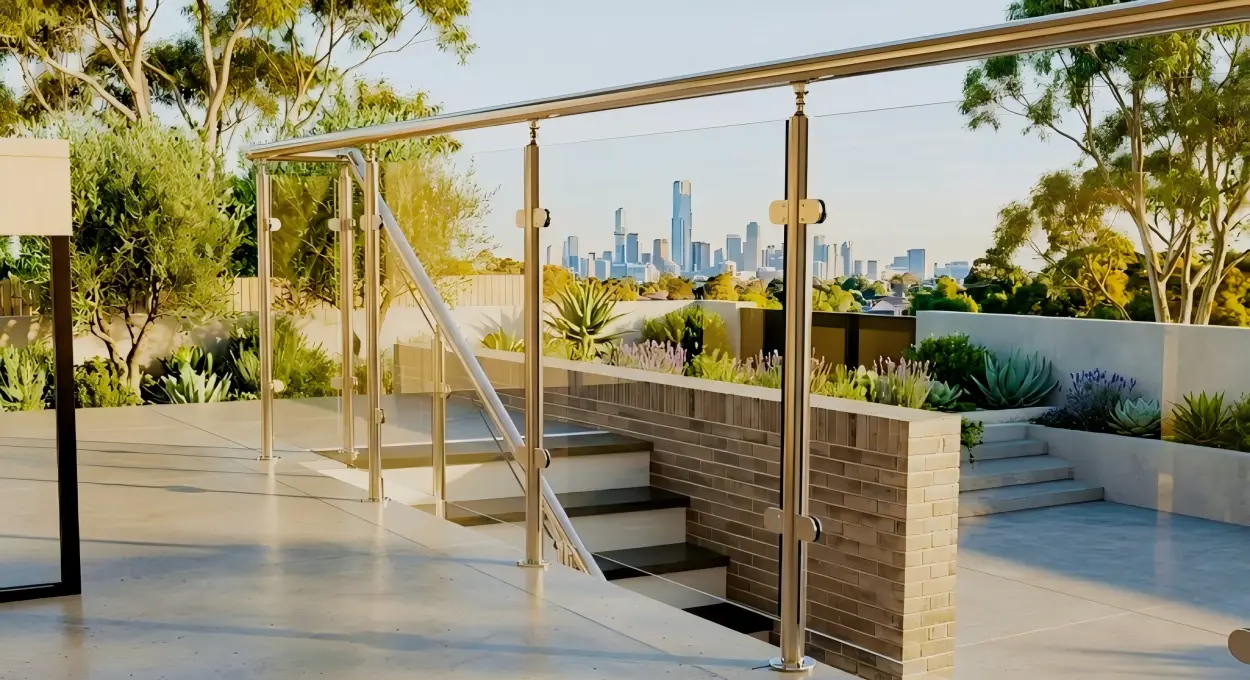
- Metal (Aluminum, Steel, Iron): Durable, modern, and weather-resistant. (Read our Metal Handrails for Outdoor Steps guide).
- Pvc:durable, low-maintenance plastic handrail widely used for staircases and walkways, featuring waterproof and anti-slip properties.
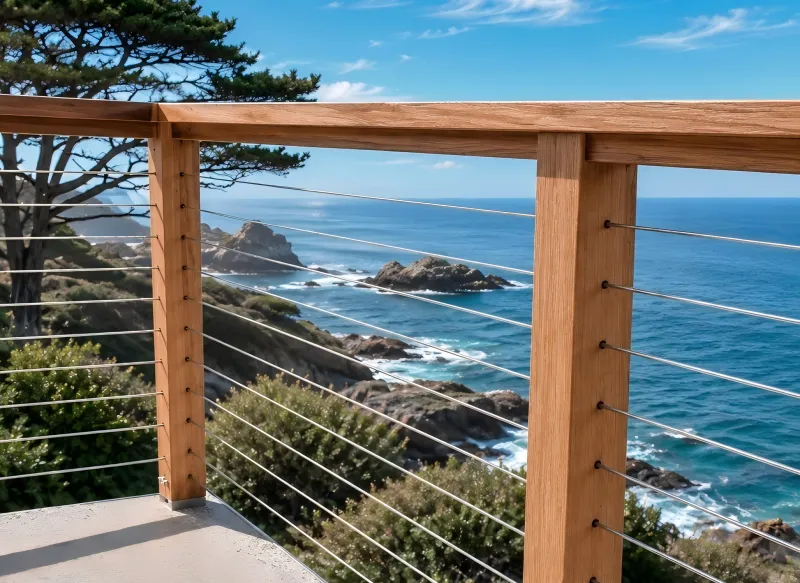
- Cable and Glass: Modern, minimalist, and often used in high-end residential or commercial spaces.
Core Components of a Handrail System
A complete handrail system is made up of several components:
- The Handrail (or Rail): The main graspable part.
- Brackets: Hardware that connects the rail to the wall or post.
- Posts and Newels: Vertical supports at the ends or turns of the rail.
- Balusters/Spindles: Vertical pieces that fill the space below the rail (often required by code for safety).
- Fittings: Elbows, angles, and connectors for corners and slopes.
Handrail Installation Overview
Installing a handrail can be a DIY project or a professional job, depending on the complexity and material. The general steps include:
1.Measuring and marking the height and layout.
2.Locating studs or using appropriate anchors (critical for concrete or drywall).
3.Installing the brackets.
4.Attaching the handrail and fittings.
5.Checking for stability and code compliance.
For detailed step-by-step instructions, read our full guide: How to Install a Wall Mounted Handrail.
Handrail Codes and ADA Compliance
Safety is the primary purpose of a handrail, so building codes are strict. Key requirements often include:
- Height: Typically 34 to 38 inches from the stair nosing.
- Graspability: The rail must be easily grasped (usually 1.25 to 2 inches in diameter).
- Continuity: Handrails must be continuous and extend beyond the top and bottom of the stairs.
- Load Capacity: Must withstand a certain amount of force (e.g., 200 lbs residential, 500 lbs commercial).
Always check your local building codes. For comprehensive compliance details, see our guides on When Is a Handrail Required for Stairs? and ADA Handrail Requirements.
How Much Do Handrails Cost?
The cost of a handrail project depends on materials, length, and whether you hire a professional.
- DIY Kits: $50 to $300 per section.
- Custom Wood or Metal: $100 to $500+ per linear foot.
- Professional Installation: Adds $50 to $150 per hour or $30 to $80 per linear foot.
For a detailed breakdown, read our guide on Handrail Installation Cost.
Frequently Asked Questions (FAQs)
Q: What is the difference between a handrail and a guardrail?
A: A handrail is designed to be grasped for balance and support. A guardrail is a barrier designed to prevent falls from an elevated surface.
Q: How many steps require a handrail?
A: According to most residential codes (like IRC), a handrail is typically required if there are four or more risers (steps). Commercial codes (like IBC and OSHA) have specific requirements starting at 3 or 4 steps. Always check local codes.
Q: What is the standard height for a handrail?
A: The standard height is typically 34 to 38 inches from the stair nosing or ramp surface to the top of the handrail.
Q: Can I install a handrail on drywall without studs?
A: It is not recommended for safety. You should always try to anchor into studs. If studs are not available, use heavy-duty toggle bolts or snap toggles designed for high load capacity.
Explore Our Handrail Guides (Your Next Steps)
Ready to dive deeper? Explore our specific guides below to find exactly what you need for your project:
- [Wall-Mounted Handrails & Brackets] – Everything about brackets, brass, and wall mounting.
- [Wood Handrails] – Oak, modern wood, and DIY wood railing guides.
- [Metal Handrails] – Aluminum, steel, and wrought iron options.
- [Outdoor Handrails] – Concrete steps, outdoor stair railing ideas, and exterior handrails.
- [Handrail Installation] – DIY tutorials and fixing guides.
- [Code & ADA Handrails] – Compliance, ADA ramps, and building codes.
- [Handrail Kits] – DIY kits, interior stair kits, and outdoor step kits.
- [Commercial & Cable Railings] – Commercial systems, industrial handrails, and cable railing designs.
Conclusion & Call to Action
Handrails are more than just a building requirement; they are a vital safety feature and a design element that can transform a space. By understanding the types, materials, and codes, you can make an informed decision for your home or business.
Need help choosing the right handrail or brackets? Browse our full collection of high-quality handrails and hardware, or contact our team for a personalized consultation. We are here to help you build it safe, build it beautiful, and build it right.


