


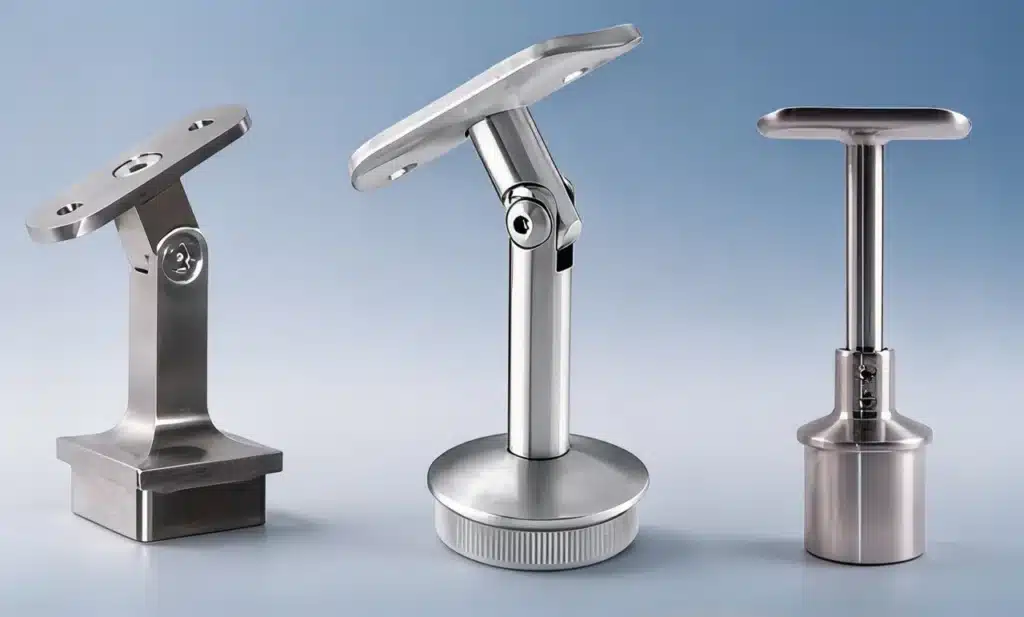

Adjustable handrail bracket are the unsroung hees of safe, stable, and visually clean 扶手 installations. Whether you are mounting a handrail on a stairwell wall, a concrete step, or a deck post, the right bracket determines how secure the rail feels and how long it lasts. In this guide, we will walk through the different types of adjustable handrail brackets, the materials available, key buying factors, and a step-by-step installation overview. By the end, you will know exactly how to choose and install the best bracket for your project.
What Are Adjustable Handrail Bracket?
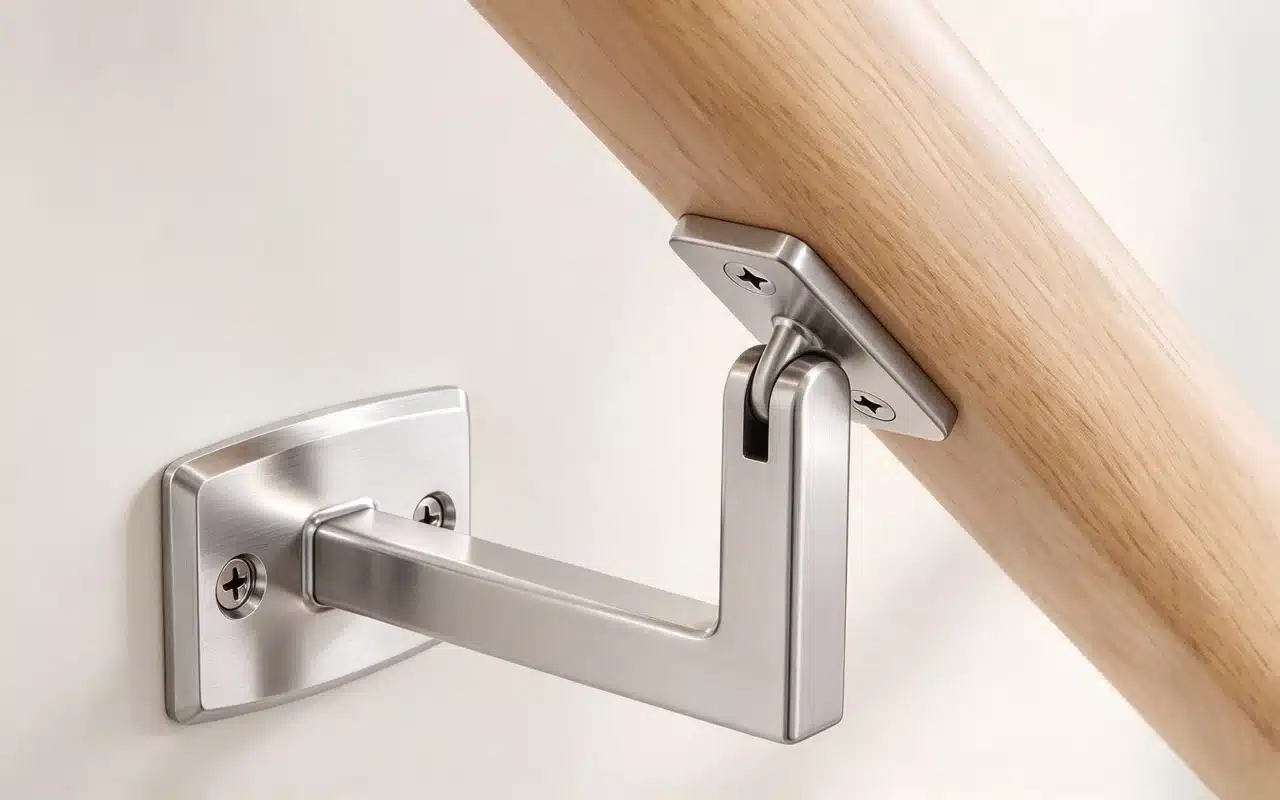
An adjustable handrail bracket is a mounting hardware piece that connects a handrail to a wall, post, or floor while allowing the angle or projection to be fine-tuned. Unlike fixed brackets, adjustable models can pivot or rotate to accommodate stairs, ramps, and uneven surfaces. This flexibility makes them ideal for both residential and commercial applications. Common search terms like wall mounted handrail bracket and top mount handrail brackets often refer to these versatile components.
Types of Adjustable Handrail Bracket
There are several types of adjustable bracket, each designed for a specific mounting scenario. The most common include wall mounted brackets, top mount brackets, post brackets, and swivel brackets. Understanding these types will help you match the bracket to your handrail material and installation surface.
Wall Mounted Handrail Brackets
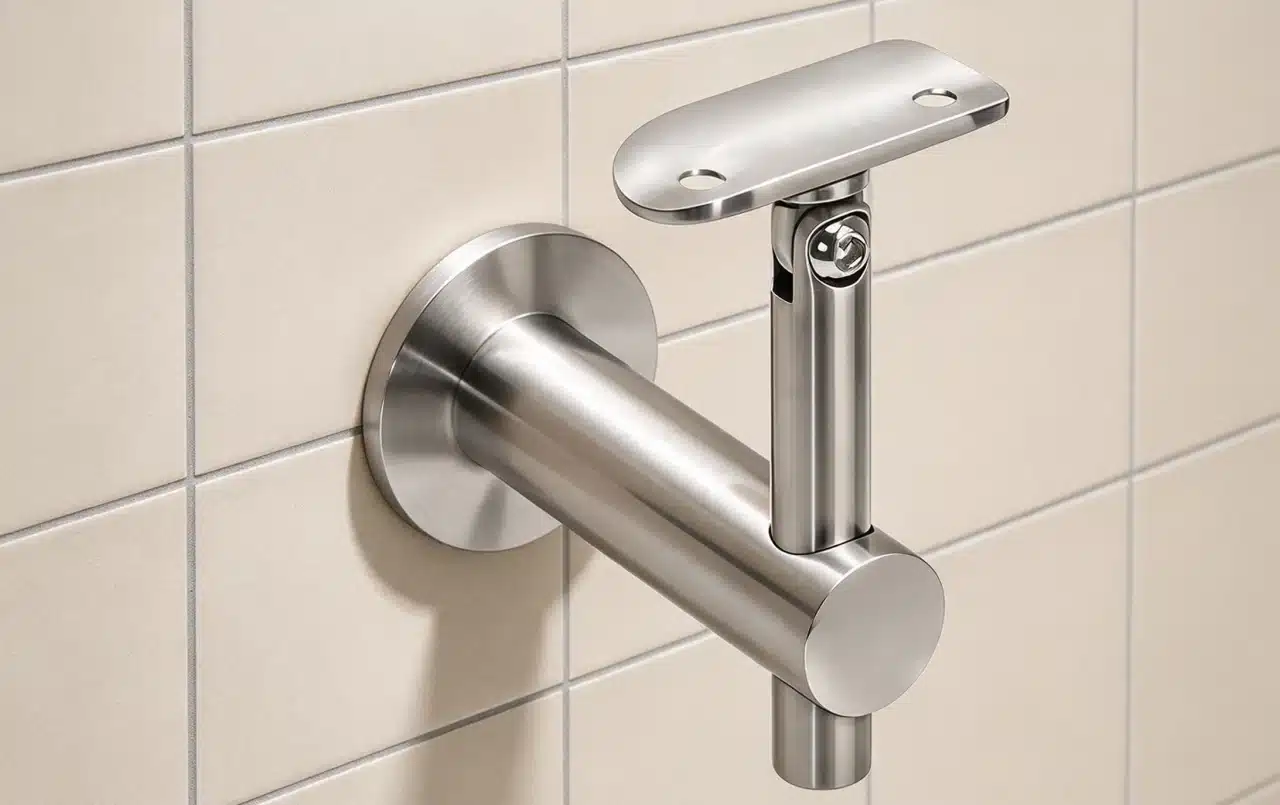
Wall mounted handrail brackets attach directly to a vertical surface, such as drywall, brick, or concrete. They are ideal for staircases and ramps where the handrail runs parallel to a wall. Many wall mounted brackets are adjustable, allowing you to set the distance from the wall to the rail. This is especially useful when the wall is not perfectly flat. Look for models that include a wall mounted handrail bracket with a swivel feature for stairs.
Top Mount Handrail Brackets
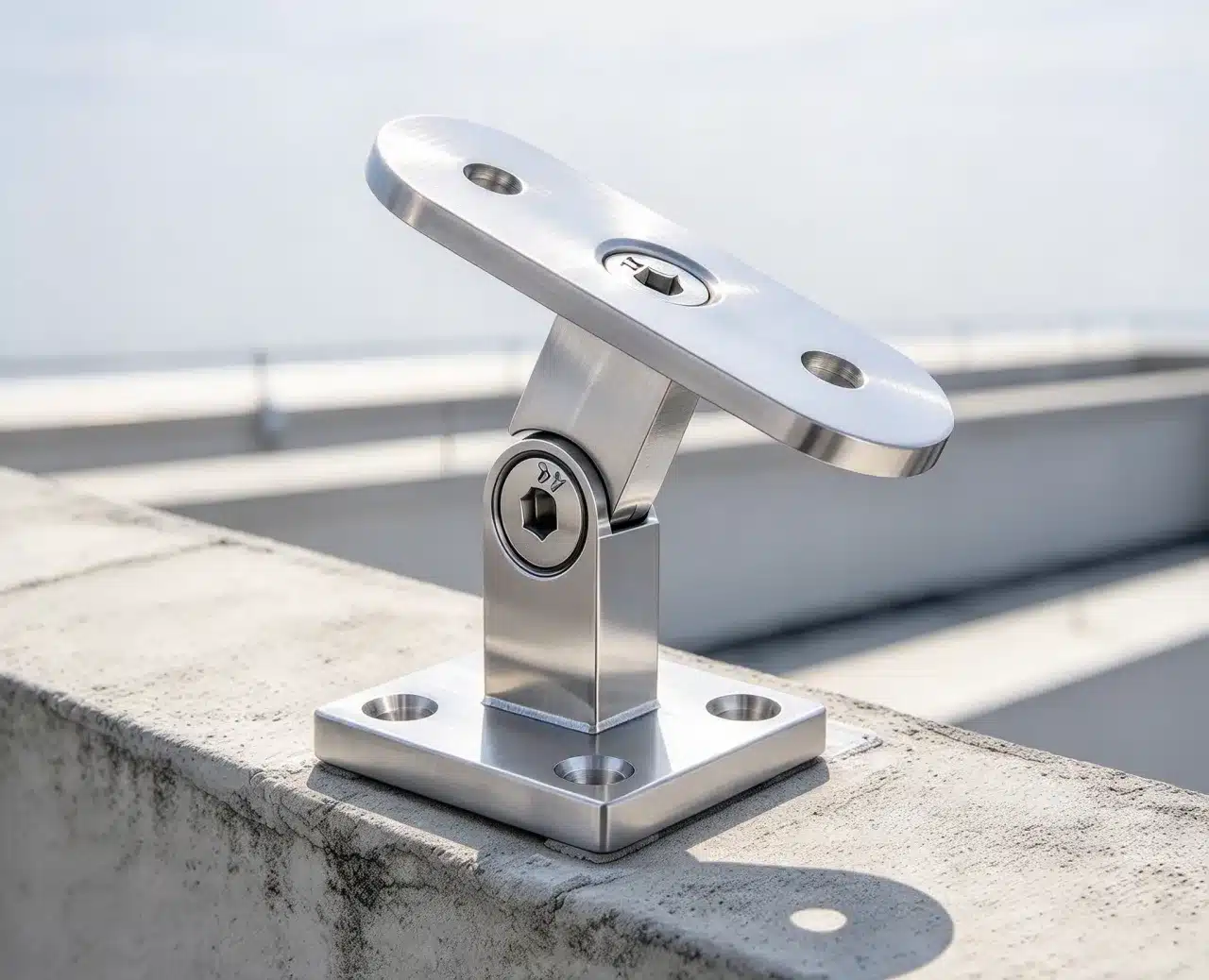
Top mount handrail brackets are installed on a horizontal surface, such as the top of a deck post or a floor. They hold the handrail from below or above, depending on the design. These are often used for outdoor steps and deck railings. If you are searching for top mount handrail brackets, you will find options that allow vertical and horizontal adjustment, which is perfect for sloped stairs.
Handrail Post Brackets
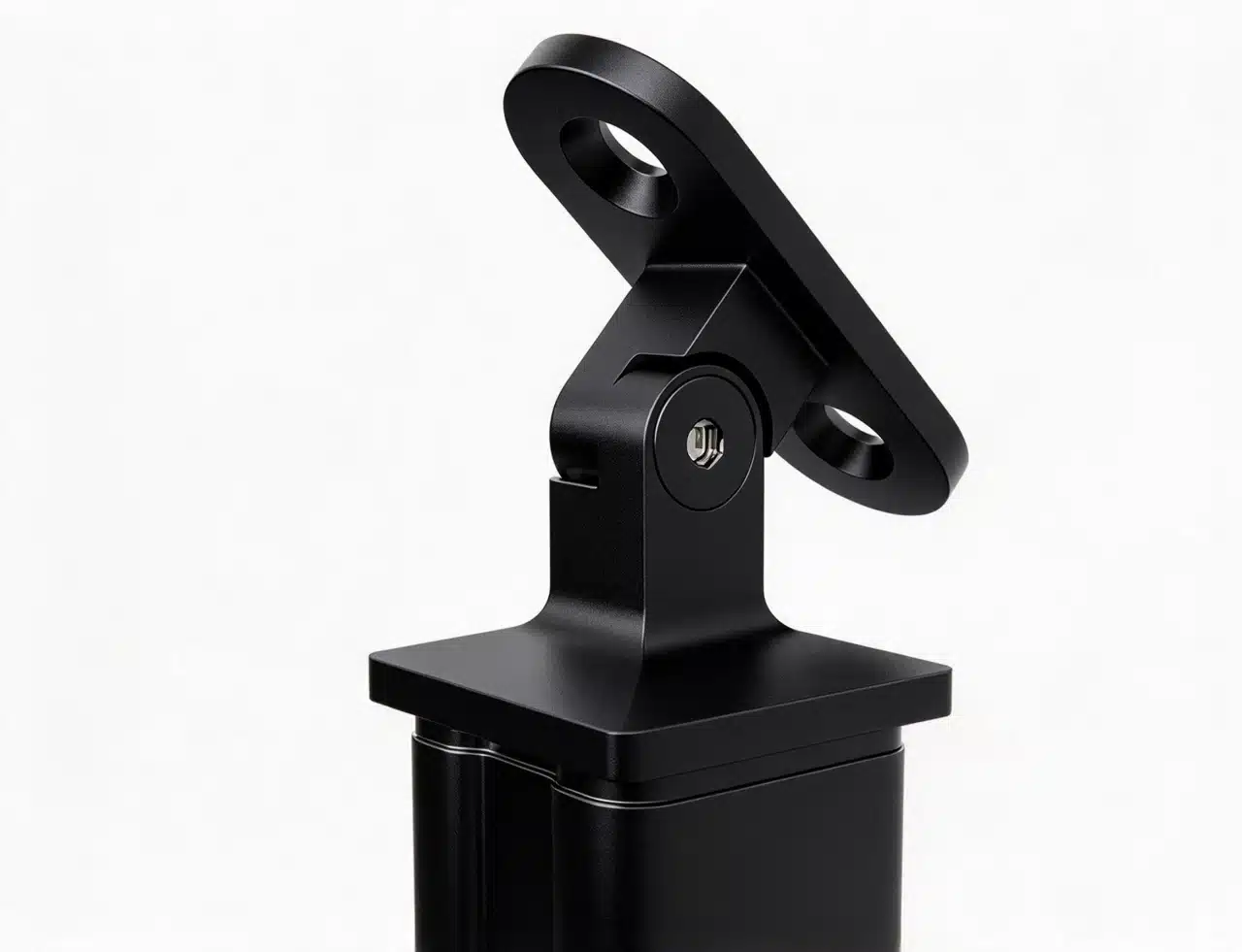
Handrail post brackets are used to attach a handrail to a vertical post. They are common in deck and porch railings. Many post brackets are adjustable, allowing the rail to be set at the correct height and angle. When shopping, look for handrail post brackets that are compatible with your post size and rail profile.
Swivel and Adjustable Angle Bracket
Swivel brackets, also known as adjustable angle brackets, are designed for stairs and ramps where the handrail must follow a slope. They can rotate to match the pitch of the stairs, ensuring a smooth and secure connection. These are often made of aluminum handrail brackets or stainless steel handrail brackets for durability.
Materials: Aluminum, Stainless Steel, Brass, and More
The material of your adjustable handrail bracket affects strength, corrosion resistance, and appearance. The most popular options are aluminum, stainless steel, and brass. Each has distinct advantages depending on whether the installation is indoors or outdoors.
Aluminum Adjustable Handrail Bracket
Aluminum handrail brackets are lightweight, rust-resistant, and affordable. They are an excellent choice for outdoor handrails because they do not corrode easily. Many aluminum brackets come with a powder-coated finish in black, white, or bronze. If you need a bracket for a coastal area, aluminum is often preferred over steel.
Stainless Steel Adjustable Handrail Bracket
Stainless steel handrail brackets offer superior strength and a modern, sleek look. They are highly resistant to rust and are ideal for both indoor and outdoor use. Marine-grade stainless steel (316) is best for humid or coastal environments. These brackets are often chosen for commercial projects and high-traffic areas.
Brass and Other Materials
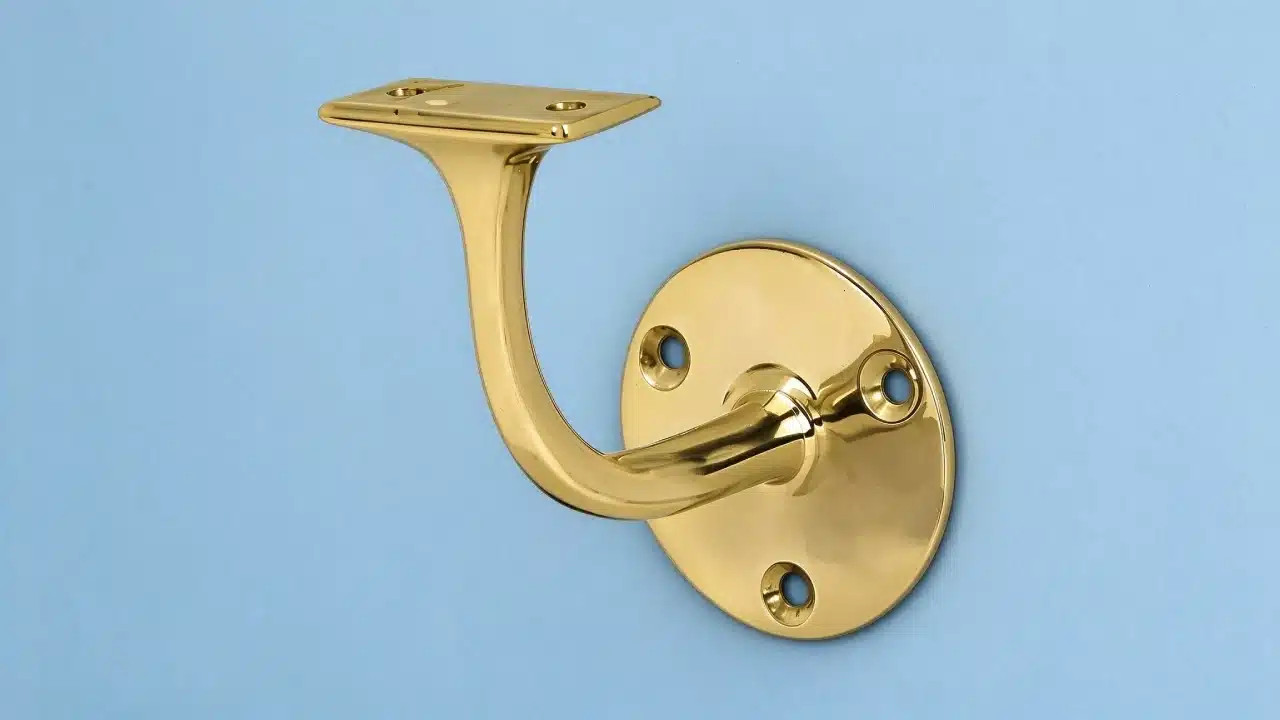
Brass brackets are prized for their vintage and antique aesthetic. They are commonly used in historic homes and upscale interiors. However, brass can tarnish over time, so it requires occasional polishing unless it is lacquered. Other materials include wrought iron and chrome, but aluminum and stainless steel remain the most practical for most projects.
Key Factors When Choosing Adjustable Handrail Bracket
Before you buy, consider these five critical factors: load capacity, tube diameter compatibility, adjustment range, finish, and installation spacing. Getting these right ensures a safe and long-lasting installation.
Load Capacity
Handrails must support a certain amount of weight, especially in commercial settings. Check the bracket’s load rating. Most residential brackets are rated for at least 200 pounds(91kg), while commercial brackets may be rated for 500 pounds(227kg) or more. Always follow structural load requirements for your specific application.
Tube Diameter Compatibility
Handrails come in various diameters, typically from 1.5 inches(38mm) to 2 inches(51mm). Your bracket must match the tube diameter. Many adjustable brackets are designed to fit a range of sizes, but it is best to confirm before purchasing. If you are using a stainless steel handrail bracket, check whether it fits round or square tubing.
Adjustment Range
The adjustment range determines how much you can tilt or extend the bracket. For stairs, you need a bracket that can rotate to match the slope. For wall mounting, you need one that can adjust the projection from the wall. A wider adjustment range offers more flexibility during installation.
Finish and Aesthetics
The finish should match your handrail and the surrounding décor. Common finishes include matte black, satin nickel, polished chrome, and antique brass. For outdoor use, powder-coated finishes are more durable. Remember that the bracket is visible, so choose a style that complements your space.
Installation Spacing
Brackets should be spaced evenly along the handrail. A common rule is to place a bracket every 3(914mm) to 4(1219mm) feet, and always within 6 inches(152mm) of the ends. For stairs, place brackets at the top and bottom of the slope and evenly in between. Always check the manufacturer’s recommendations.
Installation Guide: How to Install Adjustable Handrail Bracket
Installing adjustable handrail brackets is a manageable DIY project if you have the right tools. Below is a step-by-step overview. For a more detailed tutorial, see our full guide on how to install a wall mounted handrail.
Step 1: Measure and Mark
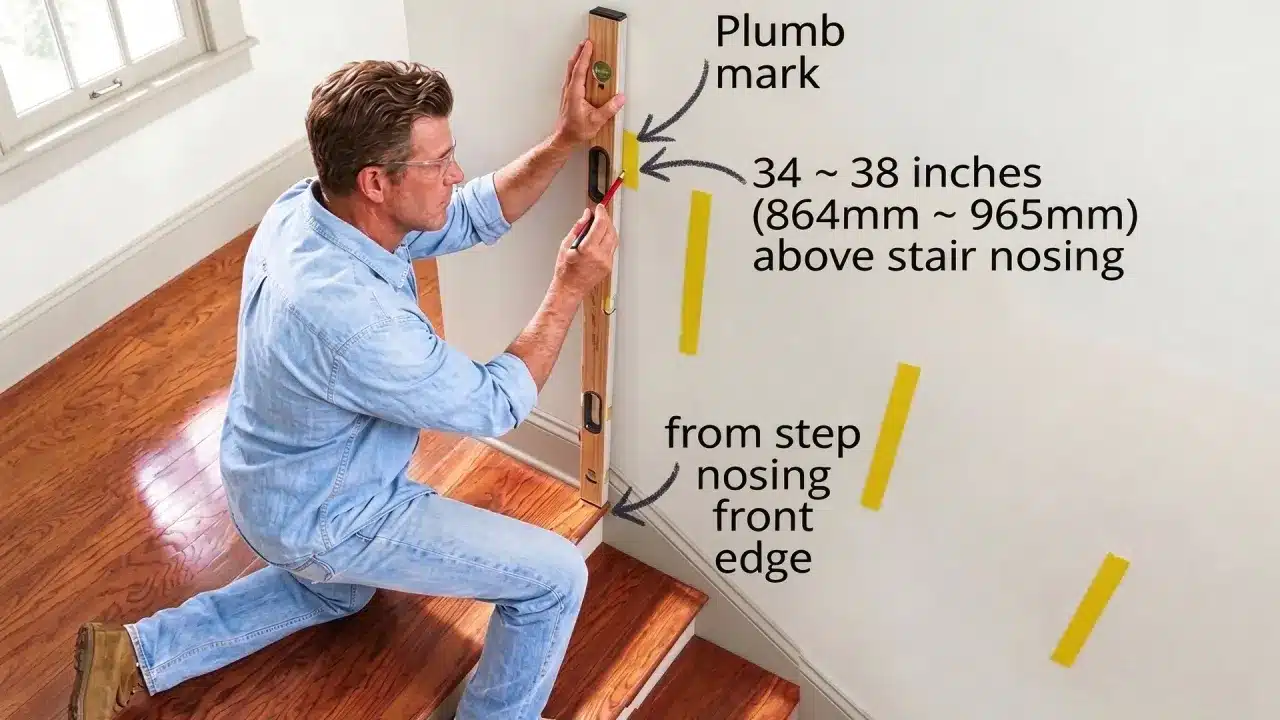
Determine the height of your handrail. For stairs, the standard height is 34 to 38 inches (864 mm to 965mm) from the stair nosing. Mark the bracket locations on the wall or post. Use a level to ensure they are aligned.
Step 2: Drill Pilot Holes
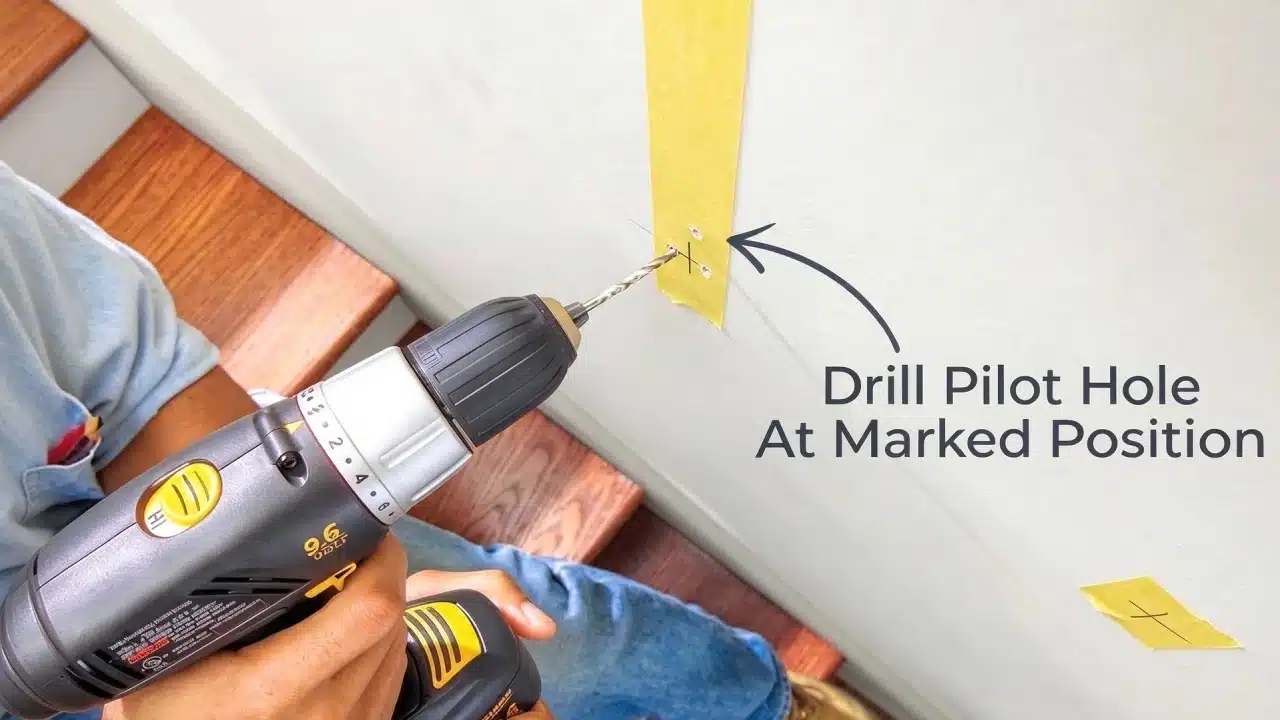
Drill pilot holes at the marked locations. If you are mounting into drywall, you must locate the studs or use heavy-duty anchors. For concrete or brick, use a masonry drill bit and appropriate anchors.
Step 3: Attach the Brackets
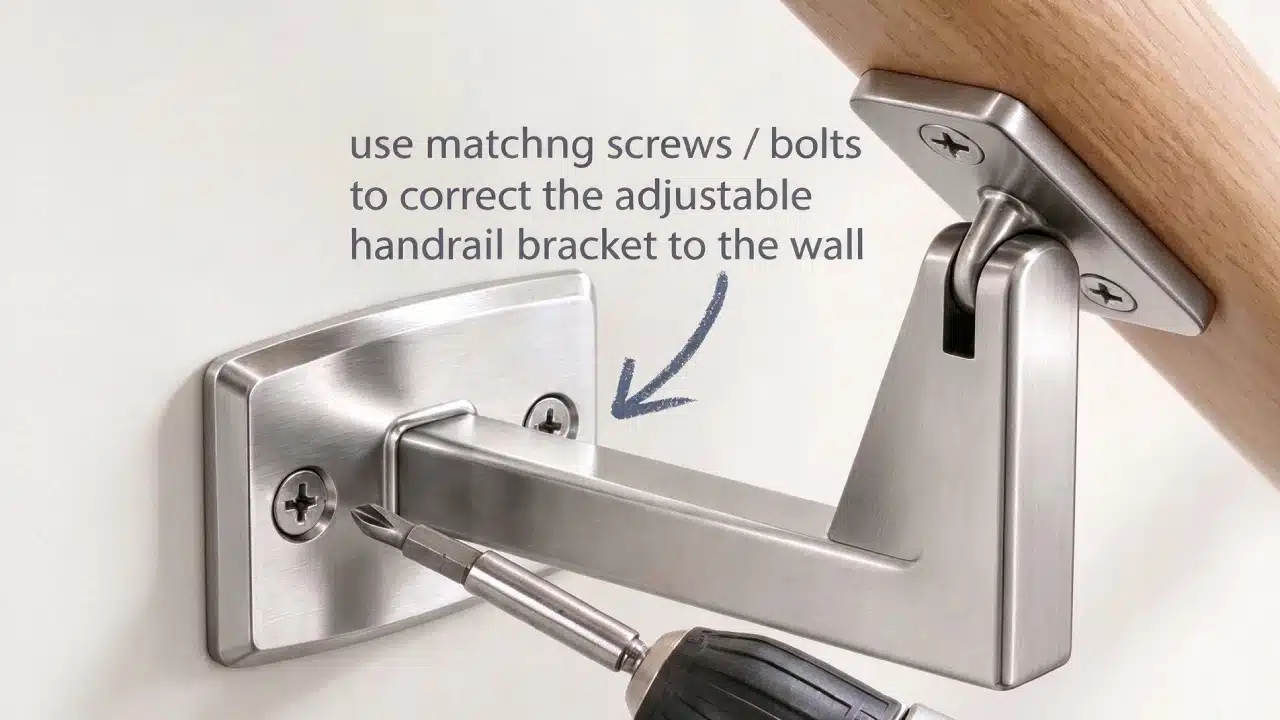
Secure the adjustable handrail brackets to the wall or post using the provided screws or bolts. Do not fully tighten them yet; you may need to adjust the angle later. If you are using aluminum handrail brackets, be careful not to overtighten and strip the threads.
Step 4: Install the Handrail
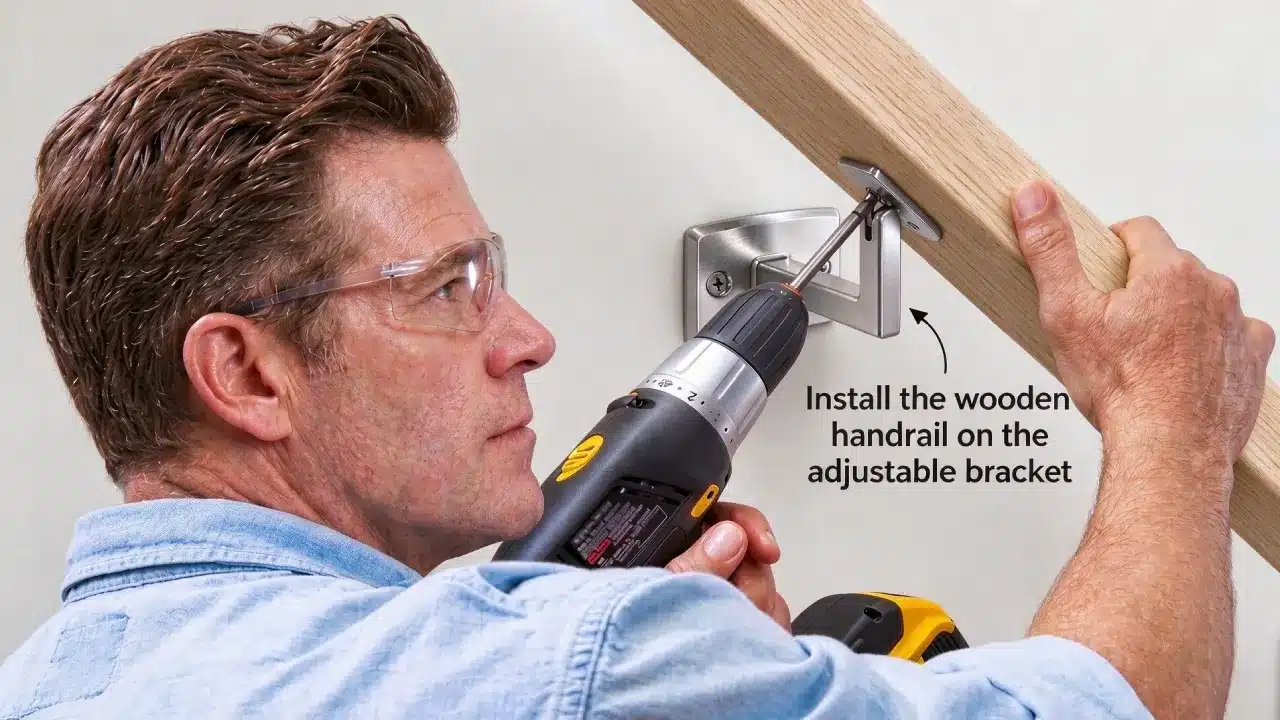
Place the handrail into the brackets. For round rails, slide the rail through the bracket openings. For square rails, set the rail into the cradle. Adjust the angle of the brackets so the handrail sits level or follows the slope smoothly.
Step 5: Tighten and Check
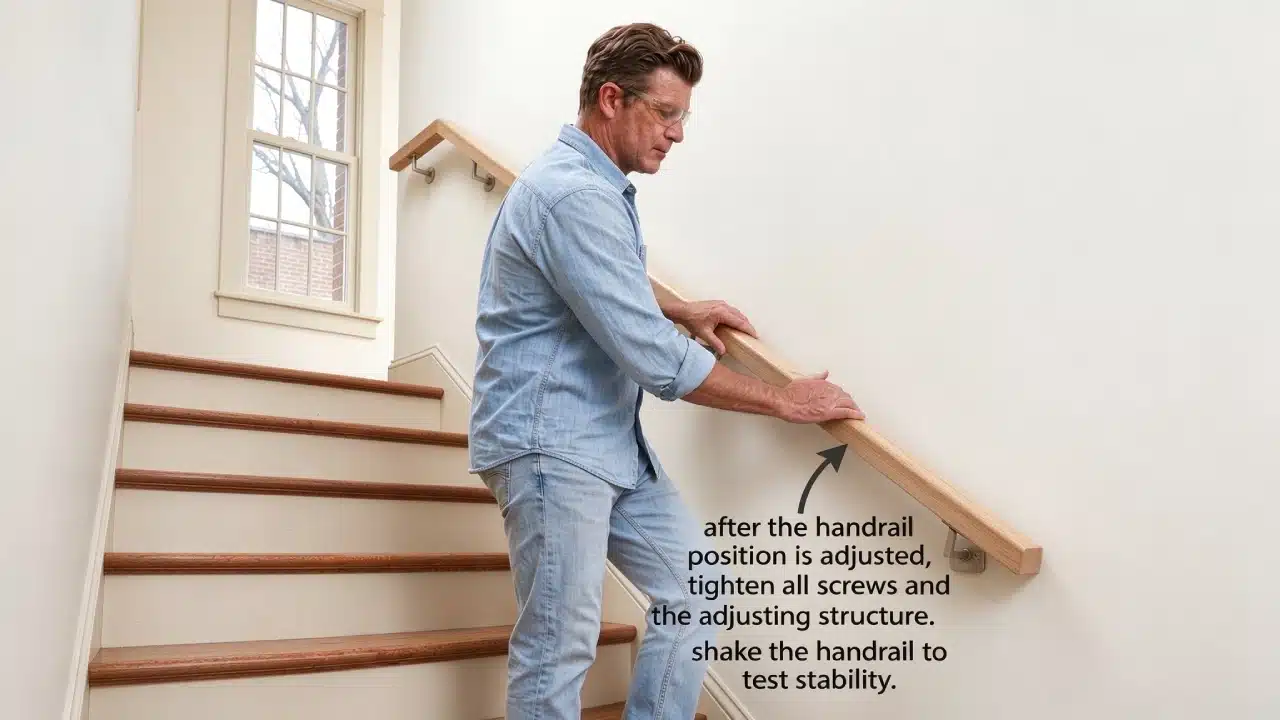
Once the handrail is positioned correctly, tighten all screws and bracket adjustments. Test the stability by gently pulling on the handrail. It should not wobble. If it does, tighten further or add more brackets. Finally, check that the handrail meets local building codes.
Buying Checklist for Adjustable Handrail Bracket
Use this quick checklist before you buy:
Confirm the bracket type: wall mount, top mount, or post.
Check the material: aluminum, stainless steel, or brass.
Verify tube diameter compatibility.
Ensure the load capacity meets your needs.
Choose a finish that matches your décor.
Plan the installation spacing.
Read reviews and check the warranty.
常见问题解答(FAQs)
Q: How far apart should adjustable handrail brackets be?
A: Typically every 3 to 4 feet (914mm to 1219 mm), and within 6 inches (152mm) of the ends. For stairs, place them at the top and bottom of the slope.
Q: Can I use adjustable handrail brackets outdoors?
A: Yes, but choose aluminum or stainless steel for outdoor use. Avoid brass unless it is specifically treated for exterior conditions.
Q: What is the load capacity of a typical adjustable handrail bracket?
A: Most residential brackets are rated for 200 pounds (91kg) or more. Commercial brackets can be rated for 500 pounds (227kg) or higher. Always check the manufacturer’s specifications.
Q: Do I need special tools to install adjustable handrail brackets?
A: You will need a drill, drill bits, a level, a screwdriver or wrench, and a stud finder for drywall. For concrete, you will need a masonry bit and anchors.
总结与CTA
Adjustable handrail brackets are a smart choice for any handrail project because they simplify installation and improve safety. By choosing the right type, material, and size, you can ensure a secure and attractive result. Whether you need wall mounted handrail bracket, top mount handrail brackets, or handrail post brackets, we offer a wide selection to fit your needs. Ready to get started? Browse our full collection of adjustable handrail brackets and find the perfect match for your stairs, deck, or commercial space.