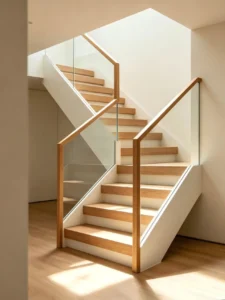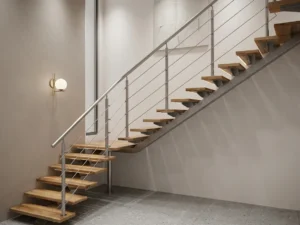



Introduction: Why Building Stair Stringer Correctly Matters
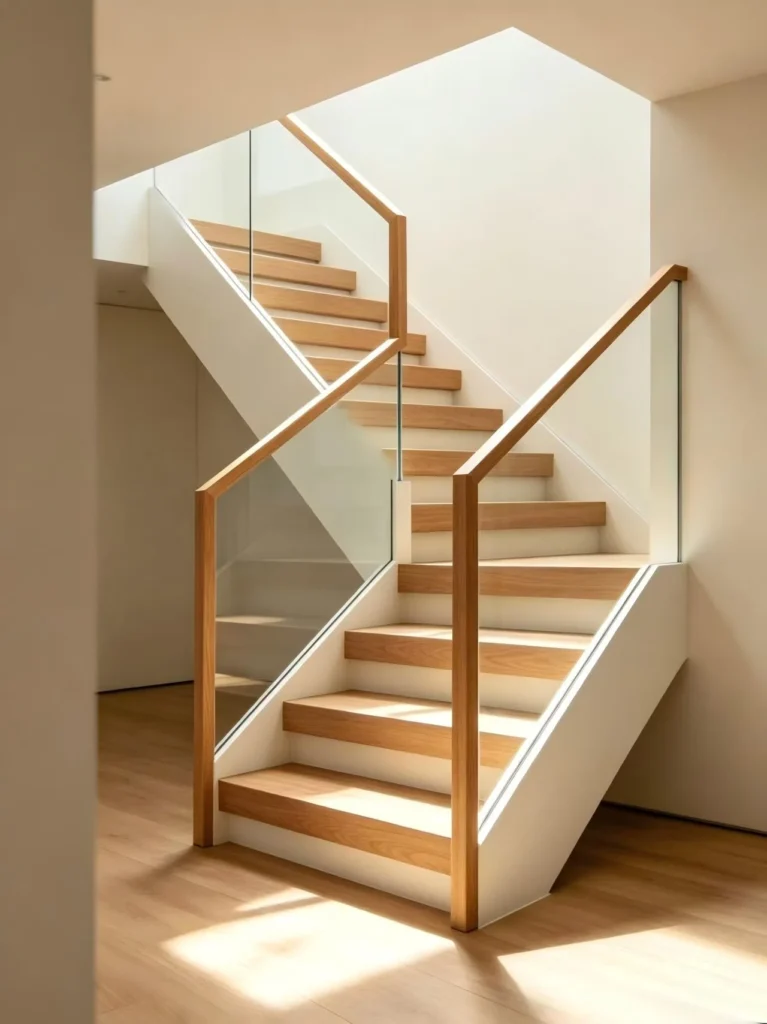
Before diving into the methods, let’s clarify what a stairs stringer is. A stringer design is the structural backbone of any staircase. It supports the treads and risers, transferring loads safely to the floor or landing. To begin with, a properly designed stair stringers ensures your stairs are safe, comfortable, and long-lasting.
Whether you are building a deck, a basement staircase, or a custom interior stair, the the framework is the most critical component. For example, a poorly built stair stringer can lead to bouncy stairs, uneven treads, and even structural failure. This guide covers five powerful stair structure building methods, from traditional wood cutting to advanced steel fabrication.
Understanding the Stair Stringer and Its Role
A stairs stringer is the angled structural member that supports the treads and risers of a staircase. Specifically, it runs diagonally from the top landing to the bottom floor, providing the framework for the entire stair system. Stringers can be made from wood, steel, or concrete, depending on the application.
Consequently, the strength and accuracy of your this component determine the overall quality of your staircase. A properly built stair stringer ensures:
- Consistent step height and depth
- Structural integrity under load
- Long-term durability and safety
- Professional aesthetic appearance
Method 1: Traditional Wood Cutting Techniques
This is the most common method for building stair stringer in residential construction. First, you calculate the rise and run of each step. Then, you mark and cut the stringer using a framing square. Furthermore, this method is cost-effective and requires minimal specialized tools.
First, Calculate total rise (height from bottom to top).
Next,Divide by the number of steps to find individual rise.
Then, Determine the run (horizontal depth of each step).
After that,Use a framing square to mark the cuts on a 2×12 board.
Finally,Cut along the marks with a circular saw, finishing with a handsaw at corners.
However, this method requires careful measurement and accuracy. Even small errors can throw off the entire staircase.
Method 2: Steel Stair Stringer Fabrication Guide
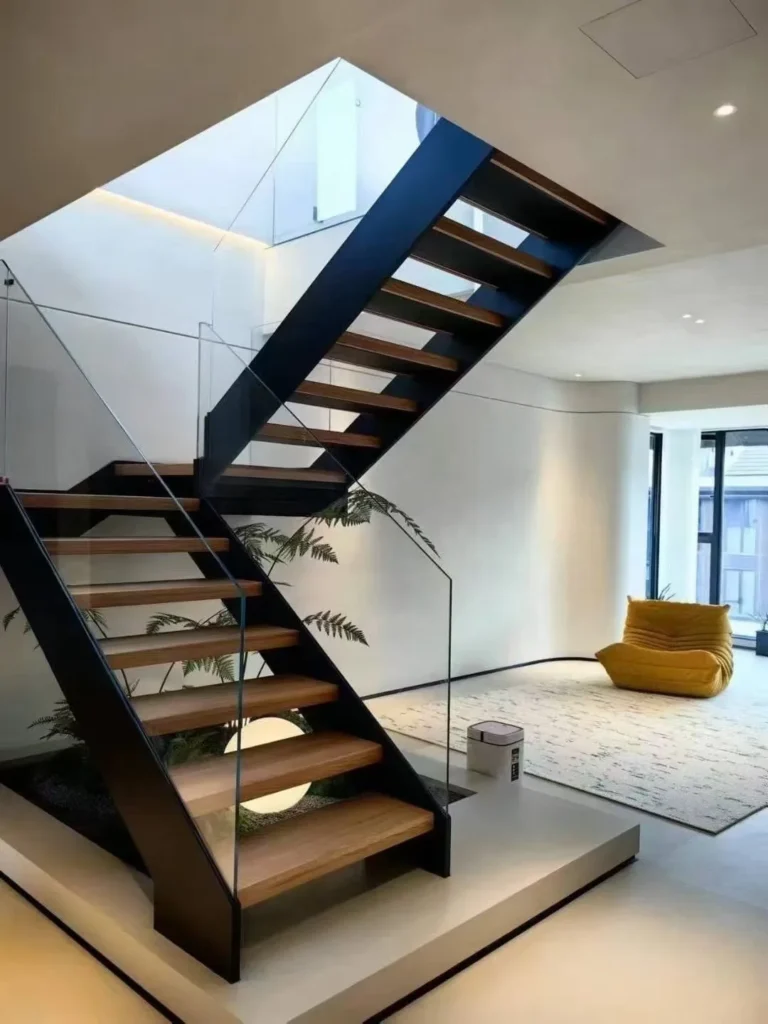
For modern homes and commercial projects, a stair stringers in steel offers superior strength and design flexibility. In addition, steel stringers can span longer distances without intermediate support. This method involves cutting steel plate or using pre-formed steel channels as the primary support member.
Steel fabrication typically involves laser cutting or plasma cutting of steel plate, CNC bending for curved or custom profiles, welding tread brackets or connections, and surface finishing (painting, galvanizing, or powder coating).
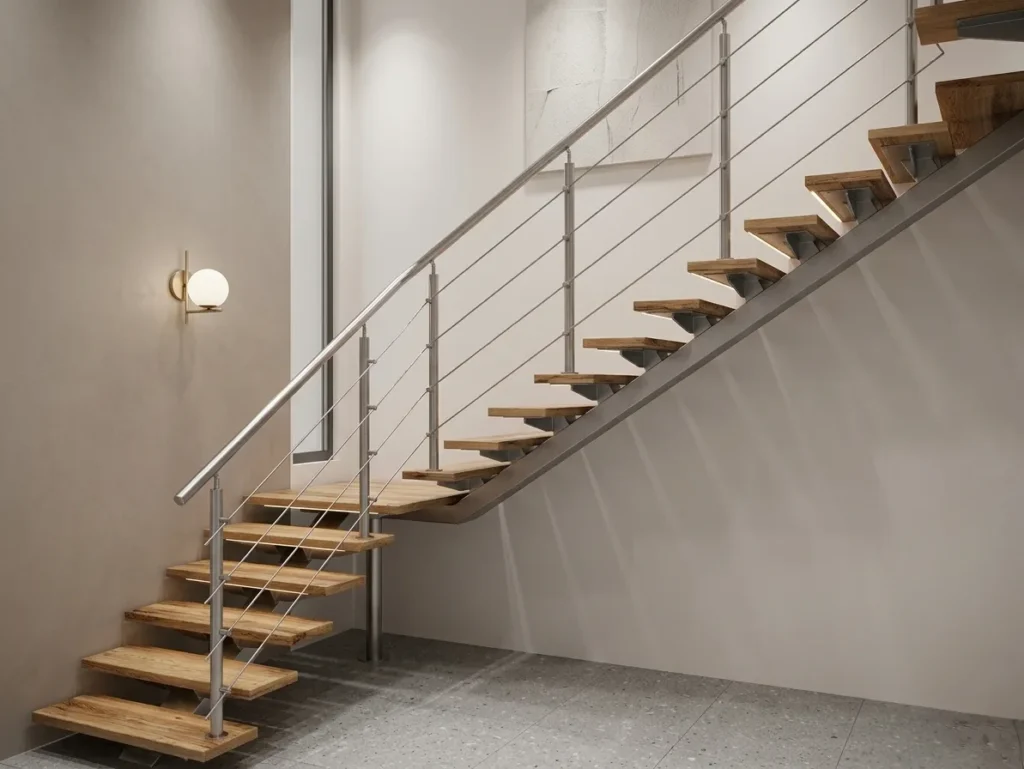
Notably, steel options of stair stringer are ideal for floating stairs, mono-stringer designs, and high-traffic commercial applications. They also require less material than traditional wood for the same load capacity.
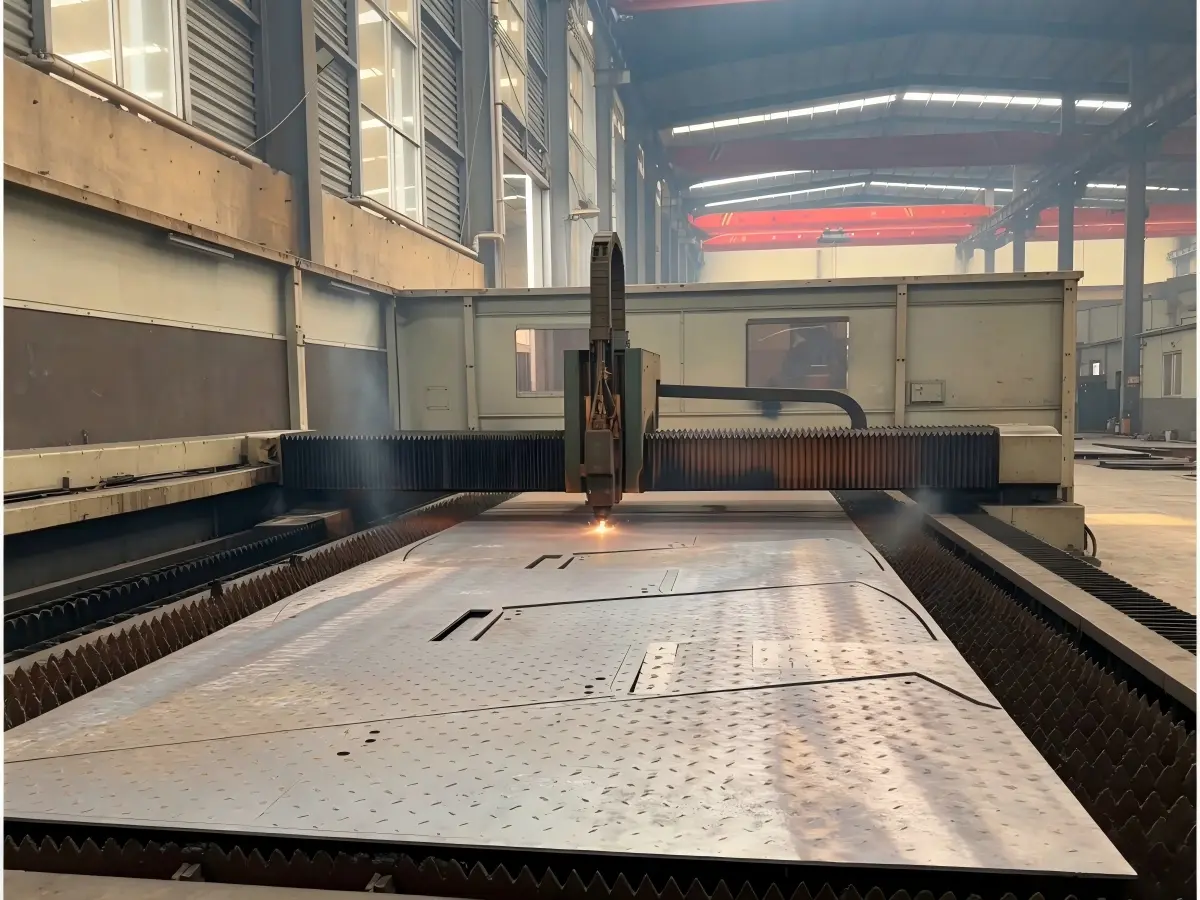
Thus, steel stair stringer fabrication typically involves:
- Laser cutting or plasma cutting of steel plate
- CNC bending for curved or custom profiles
- Welding tread brackets or connections
- Surface finishing (painting, galvanizing, or powder coating)
Notably, steel stair construction are ideal for floating stairs, mono-stringer designs, and high-traffic commercial applications. They also require less material than traditional wood stringers for the same load capacity.
Method 3: Concrete Stair Stringer Construction Tips
A concrete stairs stringer construction offers exceptional durability for commercial applications.As a result, they offer exceptional durability and fire resistance. However, building concrete the stringer requires formwork, rebar reinforcement, and proper curing time.
For instance, concrete stringer fabrication can be cast in place or precast off-site. The process involves:
- Building wooden or steel forms for the stringer shape
- Placing rebar for structural reinforcement
- Pouring concrete and allowing proper curing
- Removing forms and finishing the surface
Therefore, this method is best for permanent, heavy-duty installations where long-term durability is the primary concern. A concrete stair stringer is ideal for outdoor and commercial applications.
Method 4: Hybrid Stair Stringer Systems
A hybrid stairs stringer system combines materials for optimal design flexibility. For example, a steel stringer with wooden treads provides the strength of steel with the warmth and comfort of wood.
When comparing hybrid systems to traditional methods, consider the design requirements carefully. They allow for:
- Greater design flexibility
- Optimized material usage
- Enhanced aesthetic appeal
- Improved structural performance
A hybrid stair stringer combines the best features of multiple materials for superior design flexibility.
Method 5: Prefabricated Stair Stringer
A prefabricated stair stringers options deliver speed and accuracy for large projects. For builders seeking consistency, these are manufactured off‑site to exact specifications and delivered ready for installation. Thus, prefabricated this component eliminates on‑site cutting errors and reduces installation time significantly. Choose a prefabricated stair stringer for fast, accurate installation.
As a result, prefabricated stringers are ideal for fast-track projects.They are ideal for:
- Production home building
- Commercial staircase installations
- Projects with tight timelines
- Complex stair designs requiring precision
Stair Building Comparison Table
The table below compares each stair stringer method by materials, complexity, and application.
| Method | Materials | Complexity | Mejor aplicación |
|---|---|---|---|
| Traditional Wood Cutting | 2×12 lumber | Moderado | Residential decks, basements |
| Steel Fabrication | Steel plate, channels | High | Modern homes, commercial, floating stairs |
| Concrete Construction | Concrete, rebar, forms | High | Commercial buildings, outdoor stairs |
| Hybrid Systems | Mixed materials | Moderate-High | Architectural custom designs |
| Prefabricated Stringers | Wood, steel, composite | Low | Production building, fast-track projects |
Common Stair Building Mistakes to Avoid
| Mistake for stair stringer | Consecuencia | Prevención |
|---|---|---|
| Incorrect rise/run calculation | Uneven steps, tripping hazard | Vuelve a verificar todas las medidas |
| Using undersized material | Structural failure, bouncy stairs | Follow building code span tables |
| Poor cutting technique | Rough edges, inaccurate cuts | Use sharp tools and practice on scrap |
| Not accounting for tread thickness | Step height inconsistency | Subtract tread thickness from rise |
| Inadequate fastening | Loose stringers, safety issues | Use proper fasteners and blocking |
To summarize, building stair stringer is a critical skill for any builder or DIYer. First, choose the method that best fits your project requirements. Then, carefully calculate rise and run. Furthermore, use accurate cutting or fabrication techniques. Finally, always follow building codes and safety guidelines. Whether you choose wood, steel, or concrete, your stair stringer must be designed for safety and durability.Meizstairs can help you with custom steel stair stringer fabrication for any project.
Ready to Build Your Stair Stringer?
For professional stairs stringer fabrication, contact Meizstairs today. We specialize in custom stair stringer design and manufacturing.