


If you are new to handrails, start with our comprehensive Ultimate Guide to Handrails.
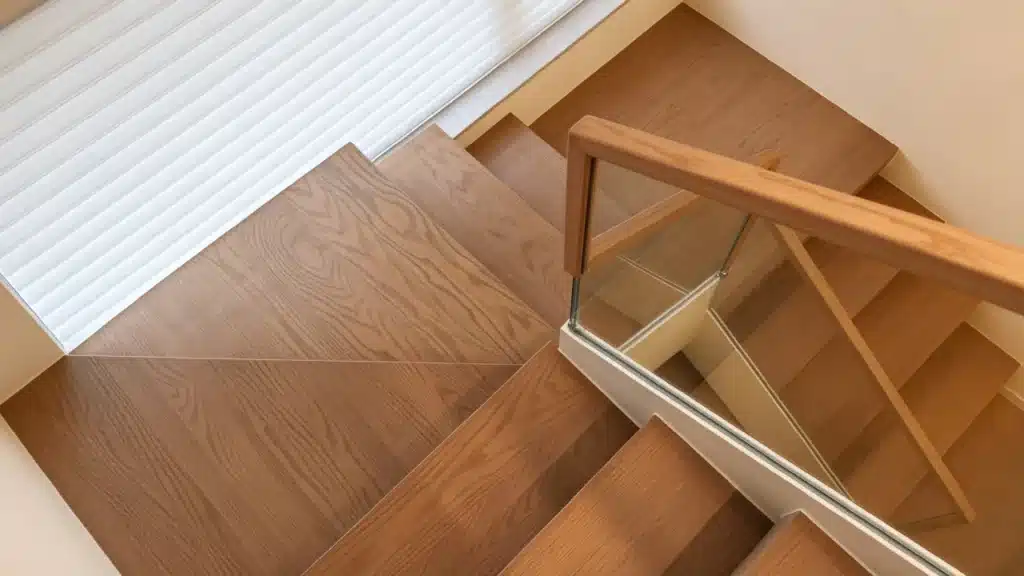
Choosing the right material for your staircase is a crucial decision that impacts both safety and aesthetics. An oak handrail remains one of the most popular and reliable choices for homeowners and builders alike. Known for its strength, distinctive natural grain, and versatility in finishing, oak offers a durable solution for many interior staircase designs.
Whether you are a builder sourcing for a residential project or a contractor looking for custom millwork, this comprehensive guide will explore the different types of oak, popular handrail profiles, cost factors, installation basics, and where to buy the right oak handrail for your project.
Why Choose an Oak Handrail?
- Durability: Oak is a dense hardwood that offers good resistance to dents, scratches, and everyday wear, making it a practical choice for frequently used staircases.
- Aesthetic: The natural grain of oak is highly sought after and can be easily stained to match various interior decors, from traditional to modern farmhouse.
- Grip and Comfort: Oak can be machined into a variety of ergonomic handrail profiles. The right shape, dimensions, and smooth surface finish help provide a comfortable and secure grip.
Types of Oak: Red Oak vs. White Oak
If you prefer metal, check out our guide on Brass Handrail Brackets.
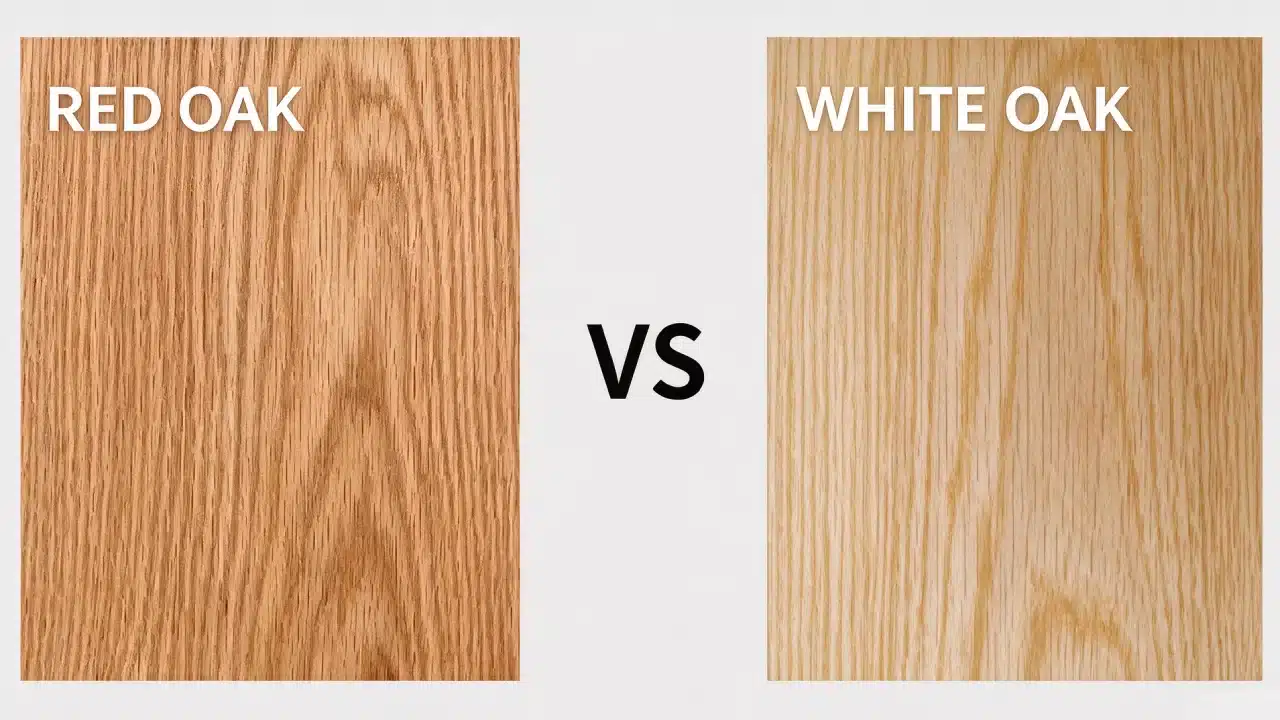
When choosing oak, the two main types are Red Oak and White Oak. While both offer excellent durability, they have distinct characteristics that may suit different project requirements.
红栎
Red Oak is a popular and often more budget-friendly choice for residential stair handrails. It features a distinctive open grain with warm, reddish-pink undertones, giving it a classic appearance that works well in traditional and transitional interiors. However, it has lower natural resistance to moisture and decay compared to White Oak, so it is generally better suited to indoor applications.
白橡木
White Oak is generally harder and more naturally resistant to moisture and decay than Red Oak, making it a popular choice for premium stair handrails. It features a tighter grain pattern and a light to medium brown color with subtle olive or golden undertones. White Oak works well in both traditional and contemporary interiors and is suitable for covered outdoor areas when properly sealed and maintained.
| 功能 | 红栎 | 白橡木 |
|---|---|---|
| Color & Grain | Warm reddish-pink tones with a distinctive open grain | Light to medium brown tones with a tighter grain and occasional olive or golden undertones |
| Hardness | Hard and durable for everyday residential use | Generally harder and denser than Red Oak |
| Moisture Resistance | Lower natural resistance to moisture and decay; generally better suited to indoor applications | Higher natural resistance to moisture and decay, but still requires proper finishing for moisture-exposed areas |
| 最适合 | Traditional interiors and budget-conscious projects | Premium interiors, contemporary designs, and properly protected covered outdoor applications |
| Cost | Generally more affordable, depending on size and grade | Usually more expensive than Red Oak, depending on size and grade |
Popular Oak Handrail Profiles
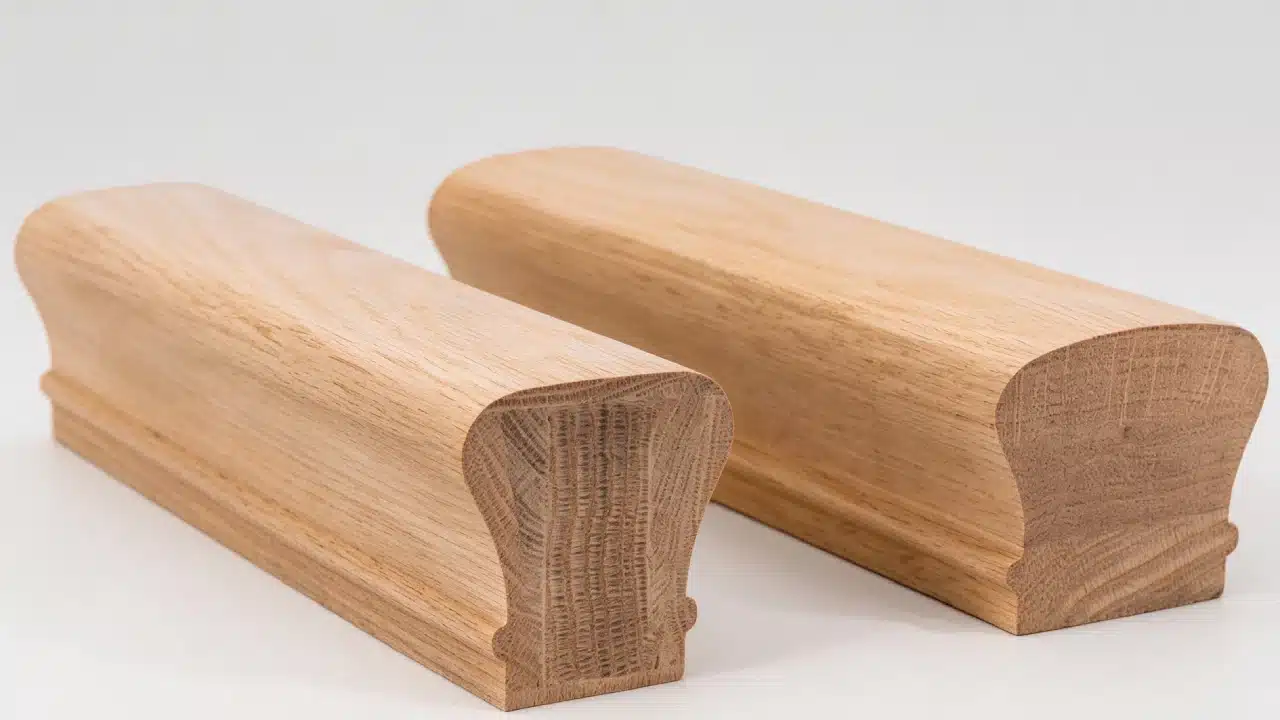
Oak handrails are available in a variety of shapes and sizes. The right profile affects the overall appearance of your staircase, as well as how comfortably the handrail fits in your hand. Popular options include:
-
6010 Profile: A classic, streamlined design that suits traditional and transitional staircase styles.
-
6210 Profile: A fuller profile with a more substantial appearance and a comfortable gripping surface.
-
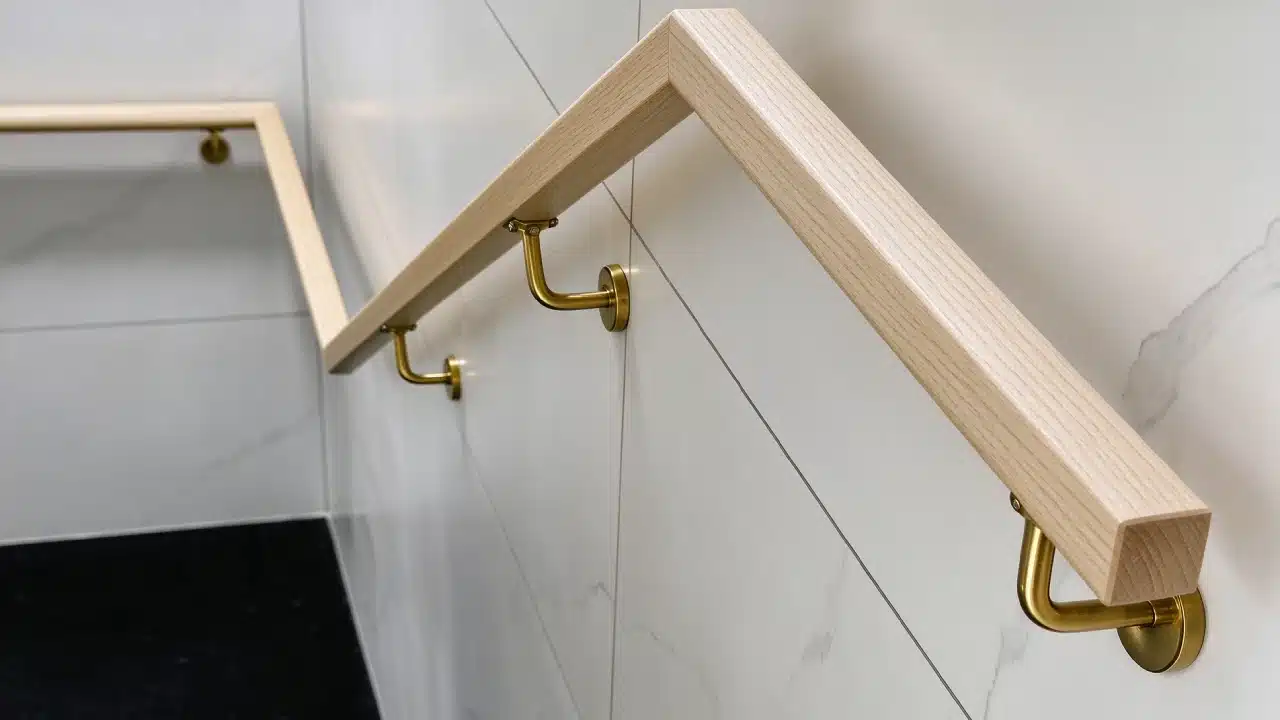
Contemporary Profiles: Square, rectangular, or flat-bottom designs that complement modern and minimalist interiors.
When choosing an oak stair handrail, consider its dimensions, grip comfort, mounting requirements, and compatibility with your balustrade or bracket system. Always check the actual profile dimensions before ordering.
What to Look for in Oak Handrail Quality
When choosing an oak handrail, consider more than just the wood species. Timber grade, moisture content, grain consistency, and machining quality all affect the final product. Look for smooth surfaces, accurately machined dimensions, clean edges, and consistent finishing. Properly prepared oak timber and careful manufacturing help create a handrail that looks attractive, feels comfortable, and performs reliably during everyday use.
How Much Does an Oak Handrail Cost?
The cost of an oak handrail depends on several factors, including the wood species, rail dimensions, profile design, total length, and surface finish. Additional costs may apply for brackets, fittings, custom machining, shipping, and professional installation. The following price ranges are general estimates for the U.S. market rather than fixed supplier quotes (excluding labor).
| 成本因素 | Estimated Price Range (USD) | 笔记 |
|---|---|---|
| Red Oak Rail (Unfinished) | $8 – $20 per linear foot | Standard, most common option. |
| White Oak Rail (Unfinished) | $12 – $30 per linear foot | Premium, highly durable option. |
| Pre-finished (Stained/Cleared) | +$5 – $15 per linear foot | Saves time on-site; applied by the manufacturer. |
| Fittings & Hardware | $5 – $50+ per piece | Brackets, elbows, and connecting angles (varies by style). |
| Professional Labor | $50 – $100+ per hour | Varies heavily by location and complexity. |
Pricing is for material budget reference only and does not constitute a full staircase project quotation.
Installation Basics for Oak Handrails
Installing an oak handrail involves careful measuring, proper bracket placement, secure fastening, and appropriate finishing. The general installation steps include:
-
Measure: Measure the stair run and determine the required handrail length, angle, and mounting positions.
-
Cut and Fit: Cut the oak handrail to the required dimensions and check its alignment before installation.
-
Install Brackets: Position the handrail brackets according to the manufacturer’s instructions and the applicable local building code.
-
Attach the Rail: Fasten the oak handrail to the brackets using the recommended hardware. (Pro Tip: For a premium finish, consider using concealed fixings like Zipbolt connectors or hidden set screws to maintain a seamless look).
-
Apply the Finish: If using unfinished oak, apply a suitable stain or protective clear coating according to the product specifications.
For detailed instructions, read our step-by-step guide on how to install a wall-mounted handrail.
Where to Buy Oak Handrails
You can find oak handrails at several types of locations, but the source you choose impacts both your budget and the level of customization you can achieve:
- Large Home Improvement Stores: Best for standard lengths and off-the-shelf profiles, but limited in customization and often marked up.
- Specialty Lumber Yards: Great for high-quality timber, but you may need to do the machining and profiling yourself.
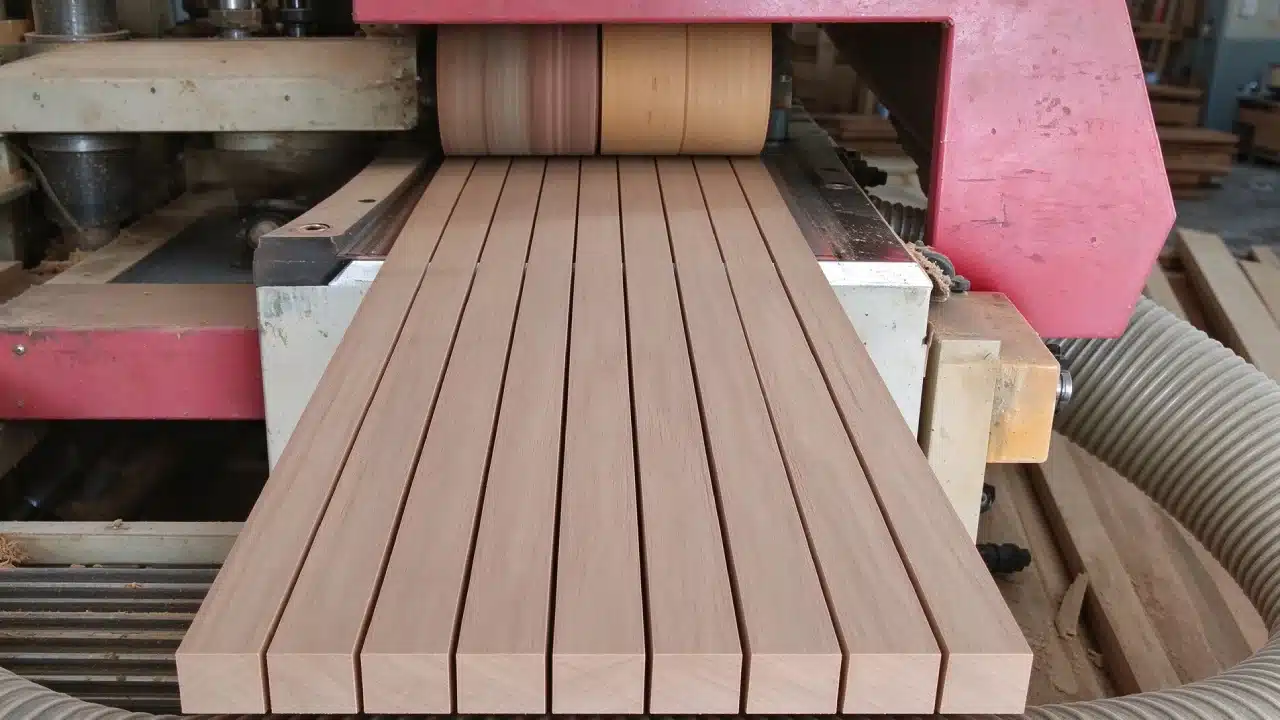
- Direct Manufacturers (Recommended): Buying directly from a manufacturer (like Stair Expert) is the most cost-effective route for both standard and custom profiles. You get factory-direct pricing, strict quality control, and the ability to request custom lengths and specific wood grades without the middleman markup.
常见问题
Q: Is oak a good wood for handrails?
A: Yes, oak is an excellent choice. It is a dense hardwood, meaning it is highly durable, resistant to wear, and has a beautiful natural grain that stains well.
Q: Should I paint or stain my oak handrail?
A: That is a personal preference. Stain enhances the natural beauty of the wood grain, while paint can create a more modern, solid-color look.
Q: How do I maintain an oak handrail?
A: Dust regularly with a soft cloth. If it is stained and sealed, you can occasionally clean it with a damp cloth and mild soap. Avoid harsh chemical cleaners.
Q: Can I use an oak handrail outdoors?
A: White Oak is highly resistant to moisture and is suitable for covered outdoor areas. Red Oak is less resistant and is better suited for indoor use. Any outdoor oak handrail should be properly sealed and maintained with a finish designed for exterior exposure.
Q: Can oak handrails be custom-made to match my staircase?
A: Yes. As a manufacturer direct supplier, we can custom-machine oak handrails to suit different staircase layouts and railing designs. Provide your required measurements, preferred profile, wood species, and reference images if available. Custom manufacturing allows the handrail to match your staircase more closely in both appearance and installation requirements.
Q: What is the best finish for an oak stair handrail?
A: The best finish depends on the desired appearance, level of surface protection, and installation environment.
• Clear Varnish: Protects the oak surface while allowing its natural grain to remain visible.
• Polyurethane (PU) Finish: Provides a durable protective coating and is available in matte, satin, and gloss finishes.
• Exterior-Grade Finish: Designed for outdoor exposure and should be selected according to the expected moisture, sunlight, and weather conditions.
For most indoor oak stair handrails, a quality clear or satin PU finish is a practical choice. For outdoor applications, use a suitable exterior-grade coating and follow the manufacturer’s maintenance recommendations.
结论
Choosing an oak handrail is a practical way to combine durability, natural beauty, and timeless design in your staircase. Whether you prefer the warm tones of Red Oak or the refined appearance of White Oak, the right wood species, profile, and finish can make a significant difference to your final staircase design.
From standard handrail profiles to custom dimensions and finishes, choosing a product that matches your staircase layout and railing system is essential. Explore Stair Expert’s oak handrail options to find a suitable design for your project or contact our team to discuss your custom requirements.